A fireplace is often the focal point of a living room, but outdated styling or worn materials can make even a well-designed space feel tired. Whether you’re working with a traditional wood-burning fireplace, a gas unit, or an electric insert, a thoughtful fireplace renovation can completely transform the look and feel of your home. The good news: most projects don’t require structural work or professional contractors. From simple cosmetic updates to more involved conversions, there’s a fireplace renovation idea for every skill level and budget. This guide walks you through seven practical approaches to refresh your fireplace and make it a true design anchor in your home.
Table of Contents
ToggleKey Takeaways
- Fireplace renovation ideas range from simple cosmetic updates like mantel styling and shiplap installation ($200–$600) to more complex conversions like gas or electric inserts ($400–$3,500), making it accessible for any budget and skill level.
- Shiplap and accent walls instantly modernize a fireplace surround with DIY-friendly installation over 4–6 hours, transforming the space without structural work or professional contractors.
- Stone veneer and high-temperature paint ($800–$2,500) offer dramatic upgrades to aging brick, while allowing you to preserve existing materials or execute partial replacements for balanced impact.
- Gas or electric fireplace conversions eliminate chimney maintenance and ash cleanup, with electric inserts being the simpler, renter-friendly option requiring only a standard outlet.
- Built-in shelving and cabinetry flanking the fireplace add functional storage and a curated, custom appearance while maintaining safety clearances (12 inches minimum above the hearth).
- Strategic lighting with wall sconces at 60 inches and battery-operated LED strips, paired with decorative accessories like screens and andirons, transform a fireplace into an inviting focal point without major construction.
Modern Mantel Styling and Surround Updates
A fresh mantel and updated surround can be your quickest win. Start by removing the existing mantel (usually fastened with lag bolts into studs), and measure the opening. A simple floating mantel in walnut, oak, or painted wood can cost $200–$500 installed, versus $800+ for period-specific carved mantels.
For the surround, the wall area immediately around the fireplace opening, consider a simple refresh: paint the brick or existing surround with fireplace-rated paint (standard wall paint won’t handle the heat). If you want more impact, shiplap or modern board-and-batten paneling installed horizontally or vertically transforms the whole look without a major investment. Make sure to leave proper clearance from the firebox opening per building codes (usually 8–12 inches, depending on the fireplace type).
Mantel styling itself is where personality shines. Keep it balanced: a mirror, framed art, or sculptural objects on one side, a potted plant or candleholder on the other. Avoid clutter, fireplace surrounds benefit from restraint. If you’re replacing the mantel, anchor it securely with lag bolts into the studs behind the brick or existing material: this isn’t a shelf project.
Shiplap and Accent Wall Transformations
Shiplap has become a staple in fireplace design, and for good reason: it’s relatively affordable, DIY-friendly, and instantly modernizes a space. Shiplap boards are typically 3/4 inch thick (nominal) and come in standard widths of 6 or 8 inches.
Start with surface prep. If you’re installing over brick, you’ll need to fur out the wall (attach 1×2 or 1×4 lumber with construction adhesive and fasteners to create a flat, even surface). Then, install shiplap horizontally starting from the bottom, using a level and spacing nails or screws through each board into the studs behind. Budget 4–6 hours for a 10×12-foot wall and $300–$600 in materials (lumber and fasteners).
Once shiplap is installed, paint it to match your design scheme, white, soft gray, or even a bold color works depending on your taste. A related approach is a simple accent wall in shiplap that frames just the fireplace, leaving the rest of the room in standard drywall or wallpaper. This creates visual focus without overwhelming the space. If you’re unsure about commitment, try removable peel-and-stick shiplap as a temporary test: it won’t give a perfect finish but works for previewing the look. For modern home renovation ideas, this transformation pairs beautifully with minimalist mantels and clean-lined cabinetry.
Stone and Brick Fireplace Upgrades
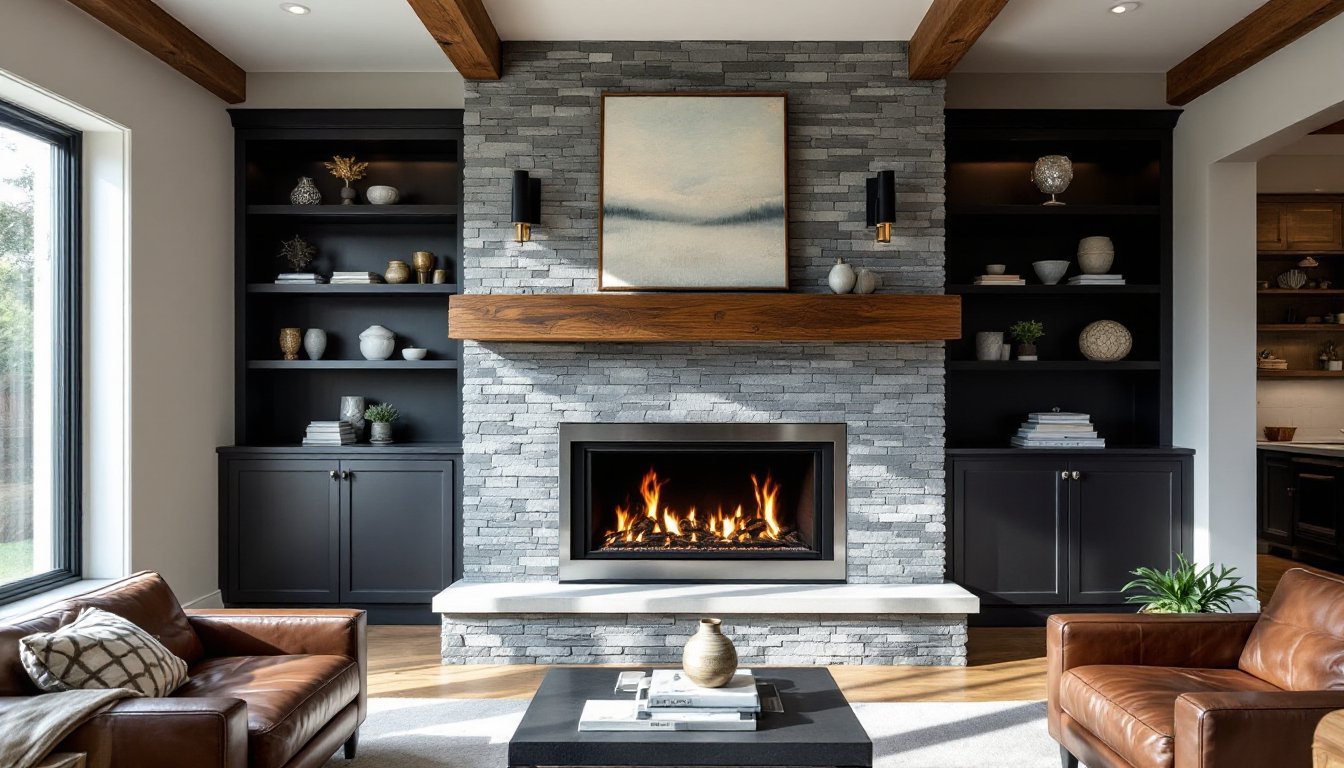
If your fireplace surround is aging brick, a stone veneer or fresh treatment can make a dramatic difference. Stacked stone (a thin, realistic stone veneer) adheres to the existing brick with thin-set mortar and looks authentic at a fraction of the cost of full stone installation. Costs range from $800–$2,500 depending on stone type and size.
Before you begin, clean the brick thoroughly and patch any damaged mortar joints. If you choose to apply stone veneer, work from the bottom up, dry-laying stones first to plan your pattern. Use a notched trowel to apply thin-set, press each stone firmly, and grout once the mortar sets (48 hours). Wear safety glasses, stone dust is sharp.
Alternatively, if your brick is in good condition, simply painting or sealing it can refresh the look. A solid-color paint in a warm tone (charcoal, deep gray, or even black) creates a modern backdrop. Fireplace paint must be rated for high-temperature use: standard wall paint will yellow or peel near the firebox. Test in an inconspicuous area first. If you prefer a more dramatic upgrade, consulting with a mason about a partial stone replacement (focusing on the firebox surround while leaving the wall in brick) offers a balanced, high-impact approach. This home renovation ideas strategy works especially well in contemporary or farmhouse-style homes.
Gas and Electric Fireplace Conversions
Converting an old wood-burning fireplace to gas or electric is more involved than cosmetic updates, but it’s often worth the investment for convenience and safety. A gas insert (a unit that fits inside the existing firebox) typically costs $1,500–$3,500 and requires venting and gas line hookup, work that must be done by a licensed professional in most jurisdictions.
Electric inserts are simpler: they require only a dedicated 120V outlet and produce heat and flame effect, running $400–$1,200. They’re perfect for fireplaces that don’t have a flue or for renters. No venting, no gas line, just plug and play. A key trade-off: electric units don’t produce real heat efficiently (around 5,000 BTU maximum), so they’re more aesthetic than functional for primary heating.
Before committing, have your existing chimney inspected for safety and structural integrity. If you have cracks, missing mortar, or blockages, those must be addressed before sealing off a wood-burning flue. Gas and electric conversions typically require permits and final inspection: check with your local building department. The payoff: a fireplace that’s cleaner, safer, and doesn’t require chimney sweeps or ash cleanup. This upgrade aligns well with budget home renovation ideas, as operating costs drop significantly once installed.
Integrated Storage and Built-In Shelving Solutions
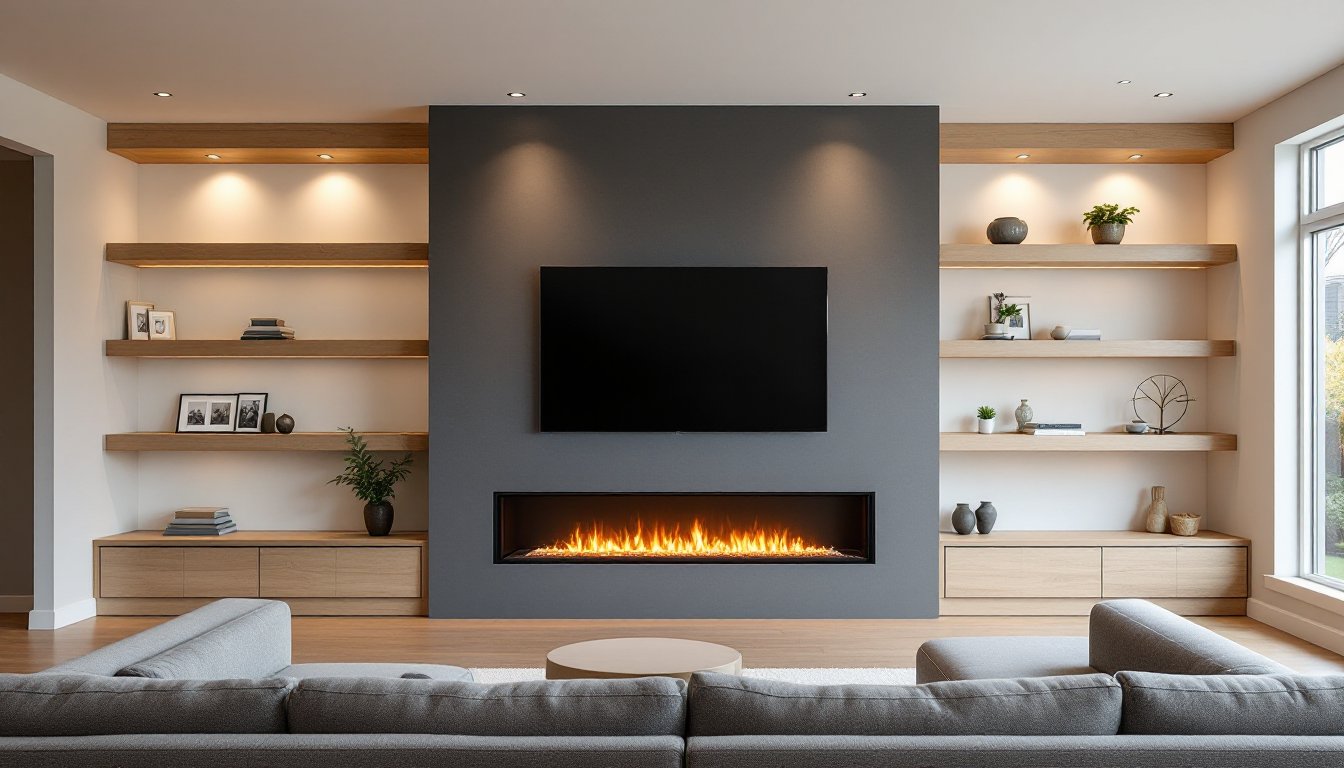
Adding built-in cabinetry or shelving flanking your fireplace maximizes function while elevating the look. A pair of floor-to-ceiling shelving units (or shelves with cabinet bases for closed storage) frame the fireplace and create a designed, intentional appearance.
For a DIY approach, install French cleats (two angled boards that interlock) to hang floating shelves on either side of the fireplace. Each shelf typically supports 25–50 pounds depending on the cleat quality and stud spacing. Budget 8–10 hours and $400–$800 for basic materials. If you’re more ambitious, build a full bookcase from 3/4-inch plywood using pocket hole joinery, cleaner than visible screws and stronger than pocket holes alone. Paint to match your surround or stain for contrast.
When styling shelves around a fireplace, keep the arrangement balanced but not symmetrical. Books, decorative boxes, framed photos, and small sculptures work well: avoid anything flammable directly above the firebox opening. Check clearance requirements (usually 12 inches minimum above the hearth) before finalizing placement. Built-ins make a home feel custom and curated, and they’re a smart investment if you’re planning to sell. Resources like This Old House offer detailed guides on shelf installation and bookcase design that complement modern fireplace styling.
Lighting and Decorative Accessories
Strategic lighting transforms a fireplace from simply functional to genuinely inviting. Wall sconces on either side of the mantel (mounted at eye level, about 60 inches from the floor) create balance and add warmth. Recessed lighting can highlight a stone surround or accent wall. For temporary solutions, battery-operated LED strips hidden behind floating mantels cast a soft glow without electrical work.
Decorative accessories matter too. A fireplace screen in blackened steel or brass protects against sparks and adds visual interest. Andirons (metal supports for logs) in traditional or modern designs hold wood neatly and are functional decor. Fireplace tools (poker, brush, shovel, stand) should hang near the hearth, modern minimalist sets are available if you prefer sleek over ornate.
When accessorizing, measure first. A screen should fit your firebox opening exactly: undersized screens look awkward and don’t contain sparks safely. If you’re hanging sconces, locate studs and use toggle bolts or heavy-duty anchors for drywall. Paint the interior of the firebox matte black (with heat-rated paint) to make the fire appear deeper and more dramatic. With small home renovation ideas in mind, simple lighting and accessory tweaks deliver outsized impact without major construction. Check HGTV for design inspiration on lighting placement and accessory styling that matches your aesthetic.
Conclusion
A fireplace renovation doesn’t have to be overwhelming. Start with the updates that matter most to you, whether that’s a fresh mantel, shiplap surround, stone upgrade, or lighting enhancement. Small projects often yield big visual returns, and most are within reach for a motivated DIYer. If structural work or gas/electrical hookups are required, bring in professionals: that’s where a permit and licensed contractor protect your investment. Your fireplace is the heart of your home, give it the attention it deserves.