Living small doesn’t mean living cramped. A well-designed tiny home layout can feel open, functional, and welcoming, even under 500 square feet. The key is working with your square footage, not against it. This guide covers practical layout strategies, smart furniture choices, and design techniques that DIYers and homeowners can carry out to transform compact spaces into efficient, comfortable homes. Whether you’re renovating an existing tiny home or planning a new build, these ideas will help you maximize every inch.
Table of Contents
ToggleKey Takeaways
- Open-concept tiny home layout designs remove visual barriers and create a sense of spaciousness by eliminating non-load-bearing walls or using furniture placement and area rugs to define zones instead.
- Multi-functional furniture with built-in storage, such as sofas that convert to beds and wall-mounted shelving, maximizes every inch of tiny home floor space without overwhelming compact areas.
- Light colors, layered lighting, and strategically placed mirrors expand visual space and prevent the cramped feeling common in small homes, while accent walls add personality without overwhelming the layout.
- Efficient kitchen layouts following the work triangle principle (sink, stove, refrigerator) and right-sized appliances preserve precious countertop space in tiny homes while maintaining functional workflow.
- Bedroom and living area separation using curtains, half-walls, pocket doors, or raised platforms creates distinct zones and improves livability in studio-style tiny homes without permanent construction.
Open-Concept Living: Breaking Down Walls for Spaciousness
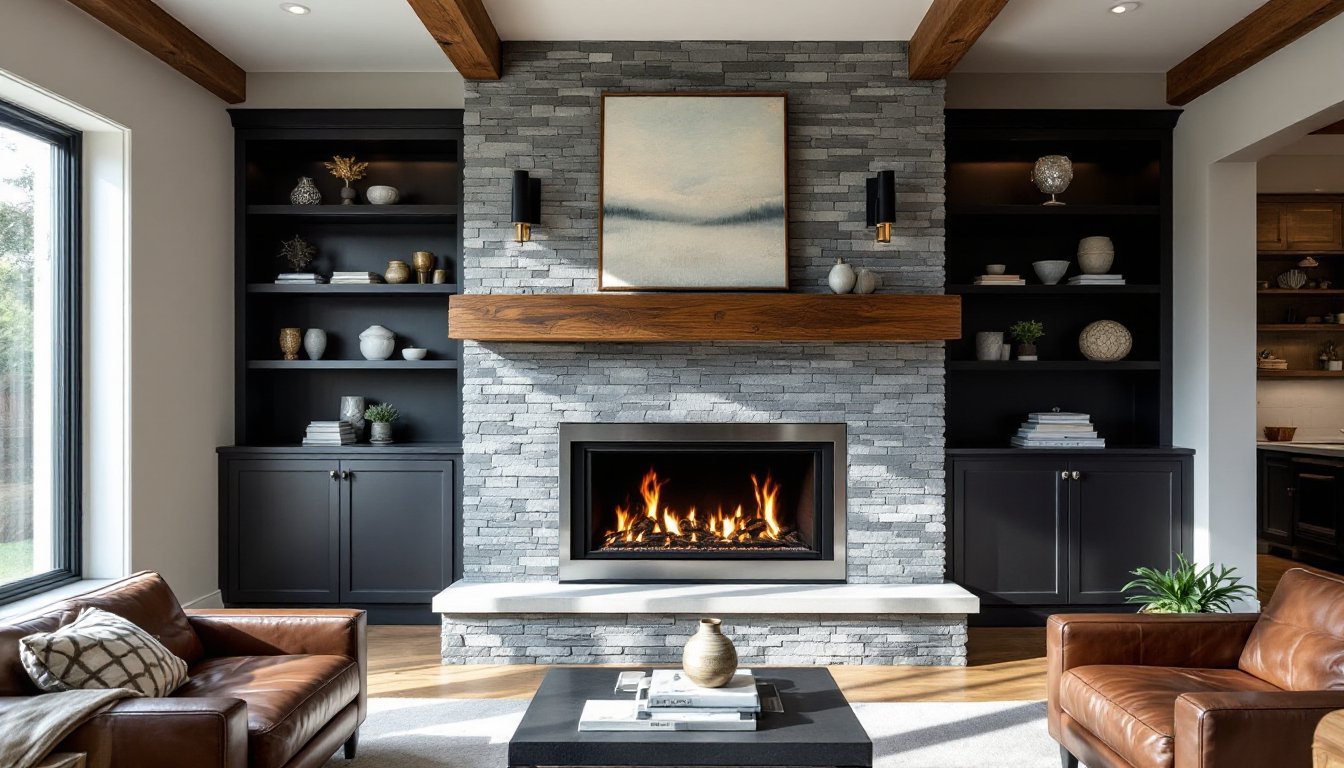
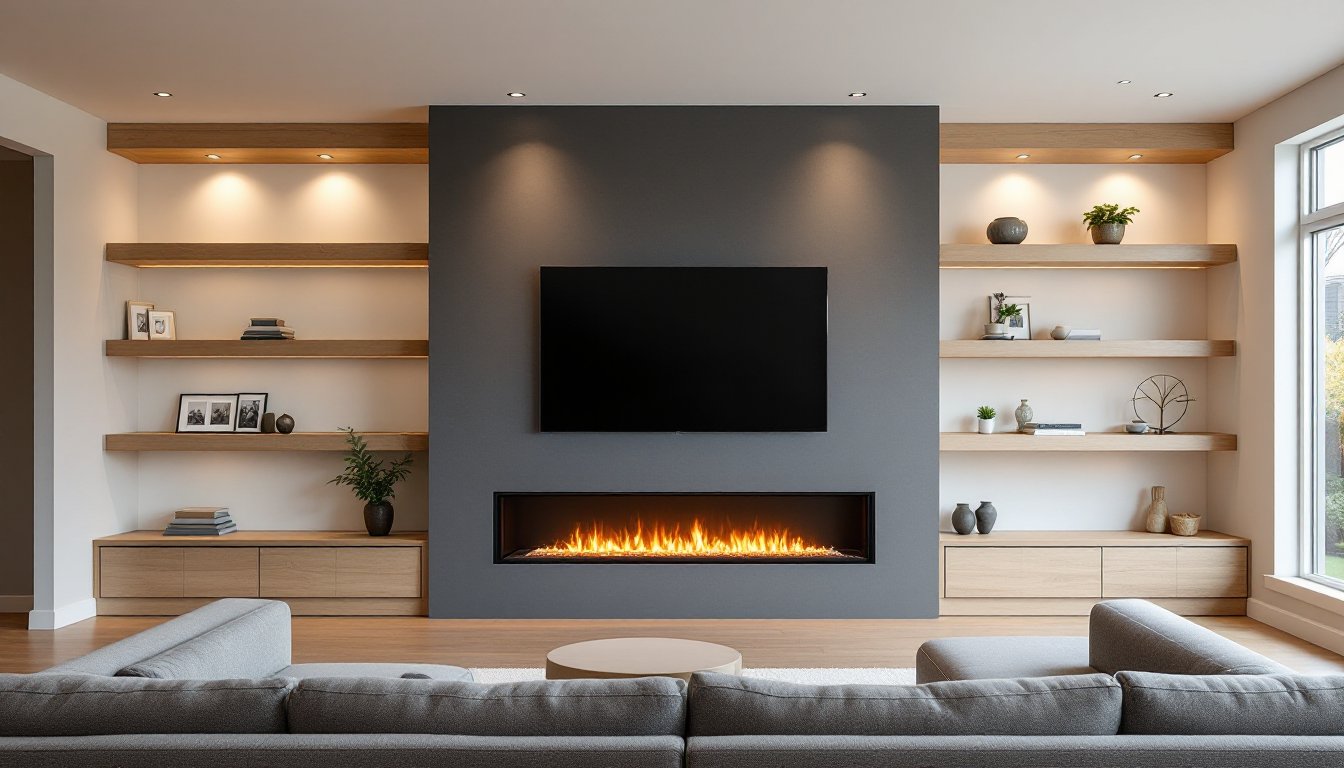
The single biggest layout shift in tiny homes over the past decade has been the move toward open-concept designs. Removing non-load-bearing walls between the kitchen, dining, and living areas creates a visual sense of openness that makes the entire home feel larger than it is.
Before you grab a sledgehammer, understand the difference: load-bearing walls (those that support the roof and floors above) require structural engineering and building permits. Non-load-bearing walls are fair game for DIY removal, but you’ll still need a permit in most jurisdictions and should hire a structural engineer to confirm which walls are load-bearing. This isn’t optional, it’s a safety requirement.
If full wall removal isn’t possible, consider creating visual continuity with consistent flooring, paint color, and sight lines. An open-concept layout works best when you define separate zones using furniture placement, area rugs, or subtle changes in ceiling height rather than walls. This approach maintains the spacious feeling while still creating functional separation between the kitchen, dining, and living areas. Small home renovation ideas often rely on this psychological trick of maintaining visual flow while preserving distinct spaces.
Multi-Functional Furniture and Built-In Storage Solutions
In a tiny home, every piece of furniture must earn its keep. A sofa that’s also a bed, a coffee table with hidden storage, or a desk that folds into the wall are game-changers. Look for pieces with vertical lift-top storage, under-seat compartments, or modular designs that adapt to your needs.
Built-in cabinetry is your best friend in small spaces. Custom or semi-custom built-ins maximize dead space, those awkward corners, under-stair voids, or the area above a doorway. They’re permanent solutions that look intentional and built-in, not like you’re trying to cram things in. IKEA or local cabinet shops can build affordable units to fit your exact dimensions.
When selecting furniture, prioritize pieces with visible legs rather than skirted bases. This creates an illusion of floor space and makes the room feel less heavy. Pair this with lightly scaled tables and transparent or glass-top pieces that don’t visually block sightlines.
Vertical Storage and Wall-Mounted Systems
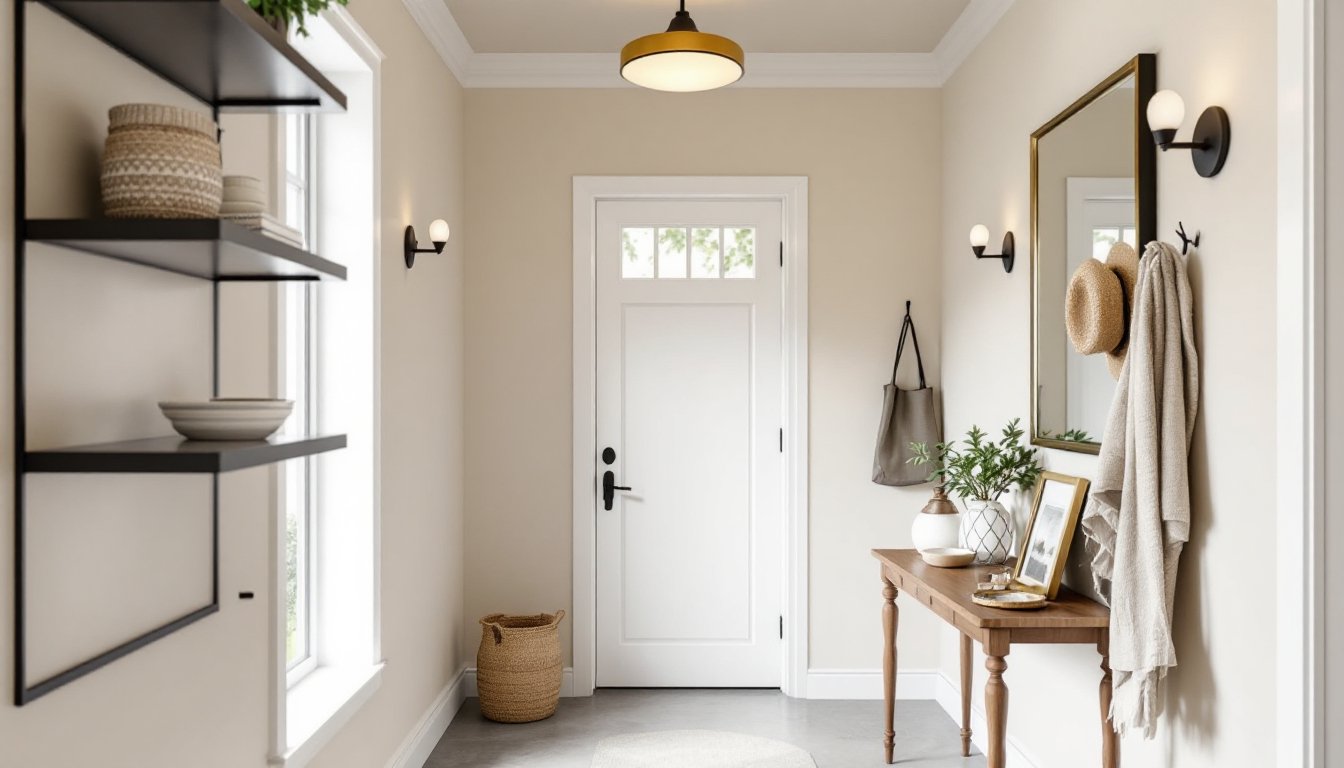
Don’t ignore your walls, they’re prime real estate for storage. Wall-mounted shelving, pegboards, and floating cabinets pull storage off the floor and create visual interest without consuming precious square footage. A 3-foot wall installation can hold as much as a small dresser while taking up significantly less visual space.
Wall-mounted desks, fold-down tables, and murphy beds are excellent solutions for multi-functional spaces. A murphy bed paired with wall-mounted shelving turns a bedroom into a home office or guest room depending on your needs. Installing these requires basic carpentry skills and appropriate wall anchors for drywall (use toggle bolts for anything over 25 pounds), studs aren’t always where you need them.
Steel slat walls or pegboard systems offer flexibility: you can rearrange shelves and hooks as your needs change. Pair these with matching baskets or containers to create a cohesive, organized look that functions as both storage and decor. Modern home renovation ideas increasingly feature these wall systems as design elements, not just storage afterthoughts.
Strategic Color, Lighting, and Mirrors for Visual Expansion
Light colors make spaces feel larger, this isn’t just design theory, it’s optics. White, soft gray, and pale neutrals reflect light and create an airy feel, while dark colors absorb light and make rooms feel smaller. A monochromatic color scheme (using variations of one color throughout the space) creates visual continuity and prevents the room from feeling chopped up.
That said, don’t live in a beige box. Accent walls, colorful textiles, and artwork add personality without overwhelming a small space. A single feature wall or a bold area rug grounds the room and gives your eye something to focus on besides the walls’ proximity.
Lighting is equally critical. Layered lighting, combining overhead fixtures, task lights, and ambient options, prevents the harsh, cramped feeling that single overhead fixtures create in small spaces. Pendant lights over a kitchen island, a desk lamp in a workspace, and wall-mounted sconces in the bedroom all contribute to a more spacious, livable feel.
Mirrors are your secret weapon. Strategically placed mirrors reflect light and create the illusion of depth and square footage. Avoid one large mirror: instead, use a pair of smaller mirrors or a mirrored accent wall to bounce light around the room naturally. A mirror opposite a window multiplies natural light throughout the day.
Efficient Kitchen and Bathroom Layouts for Compact Homes
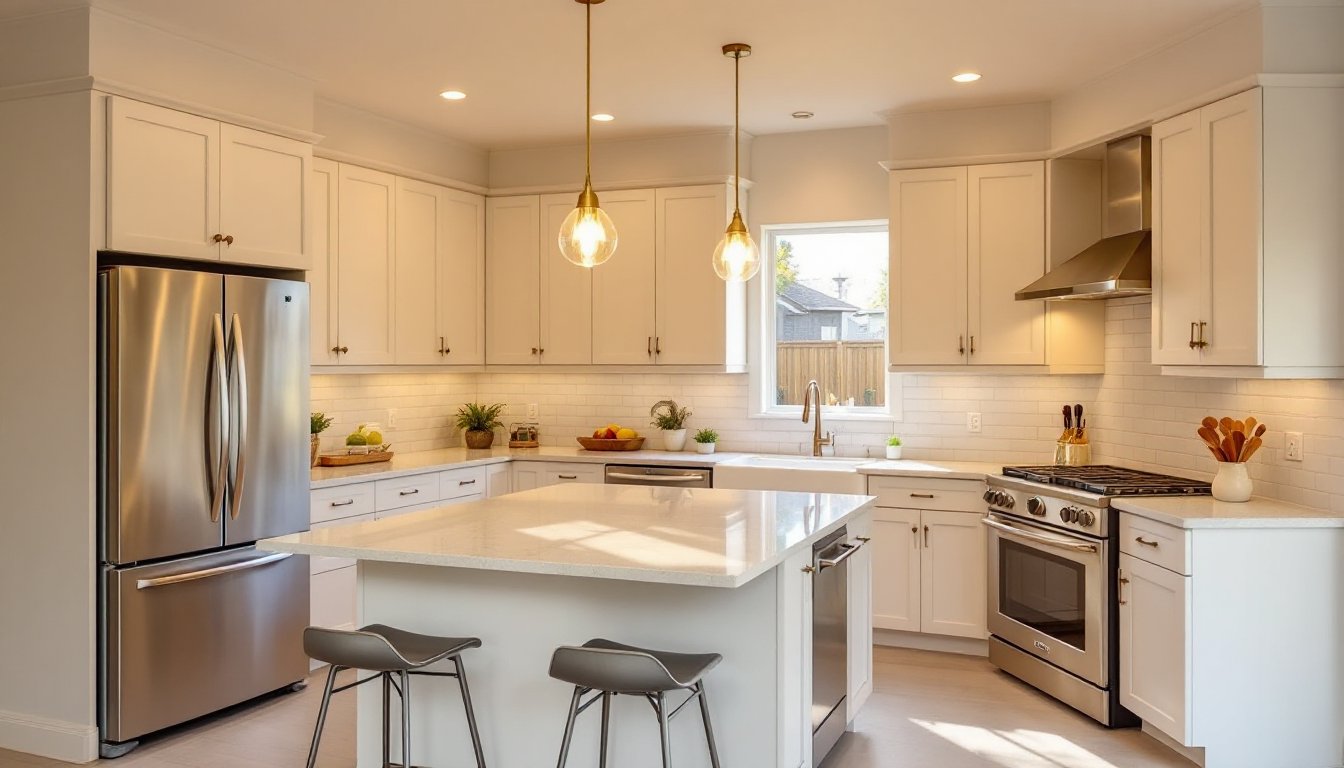
Kitchen and bathroom layouts in tiny homes must follow the work triangle principle: the sink, stove, and refrigerator should form a logical work flow with minimal wasted steps. In a compact kitchen, this might mean a galley layout (parallel counters on opposite walls) or an L-shaped layout that maximizes corner space without creating a cramped feeling.
Countertop space is precious. Opt for a kitchen island only if your floor plan permits: a 24-inch-wide rolling cart can provide the same benefits (prep space, storage, seating) without permanence. If you do install an island, ensure at least 36 inches of clearance on all sides for safe movement.
For appliances, choose right-sized units. Standard refrigerators and ranges work, but consider a narrower fridge (30 inches instead of 36), a compact dishwasher, or a combination oven-microwave to free up space. Open shelving or glass-front cabinets visually open up the kitchen by letting sightlines pass through rather than stopping at solid cabinet doors.
Bathrooms benefit from a linear layout, toilet, sink, and shower/tub arranged along one wall or in a defined sequence. Floating vanities are ideal: they create a lighter visual appearance and make cleaning floors easier. A corner sink or a compact pedestal sink saves space while maintaining function. Vertical storage with tall, narrow cabinets uses corner space efficiently without extending into the room.
The Kitchn regularly features compact kitchen solutions that balance aesthetics with practical workflow in small homes, offering real-world examples of efficient design.
Creating Distinct Zones Without Extra Square Footage
Even in a single large room, you can create a sense of separate living areas using strategic design choices. Zone definition, the art of carving out distinct spaces without walls, relies on visual and functional separation.
Flooring is one of the easiest tools. A wooden bedroom area transitioning to tile in the kitchen or a different material in the living space creates a natural boundary without construction. Area rugs define sitting areas and anchor furniture groupings. A 5×8-foot rug under a living room seating arrangement signals “living area” just as effectively as a wall would.
Furniture placement and height variation also define zones. A tall bookshelf placed perpendicular to the main wall can serve as a room divider while providing storage. Furniture facing each other creates a distinct gathering zone, while a bed placed against a window isolates the sleeping area visually.
Lighting reinforces zoning. A pendant light over a dining table, a desk lamp in a work area, and softer ambient lighting in the bedroom or living space all signal function and create psychological separation. When someone enters the space, the lighting tells them where things are and how they’re meant to be used.
Bedroom and Living Area Separation Techniques
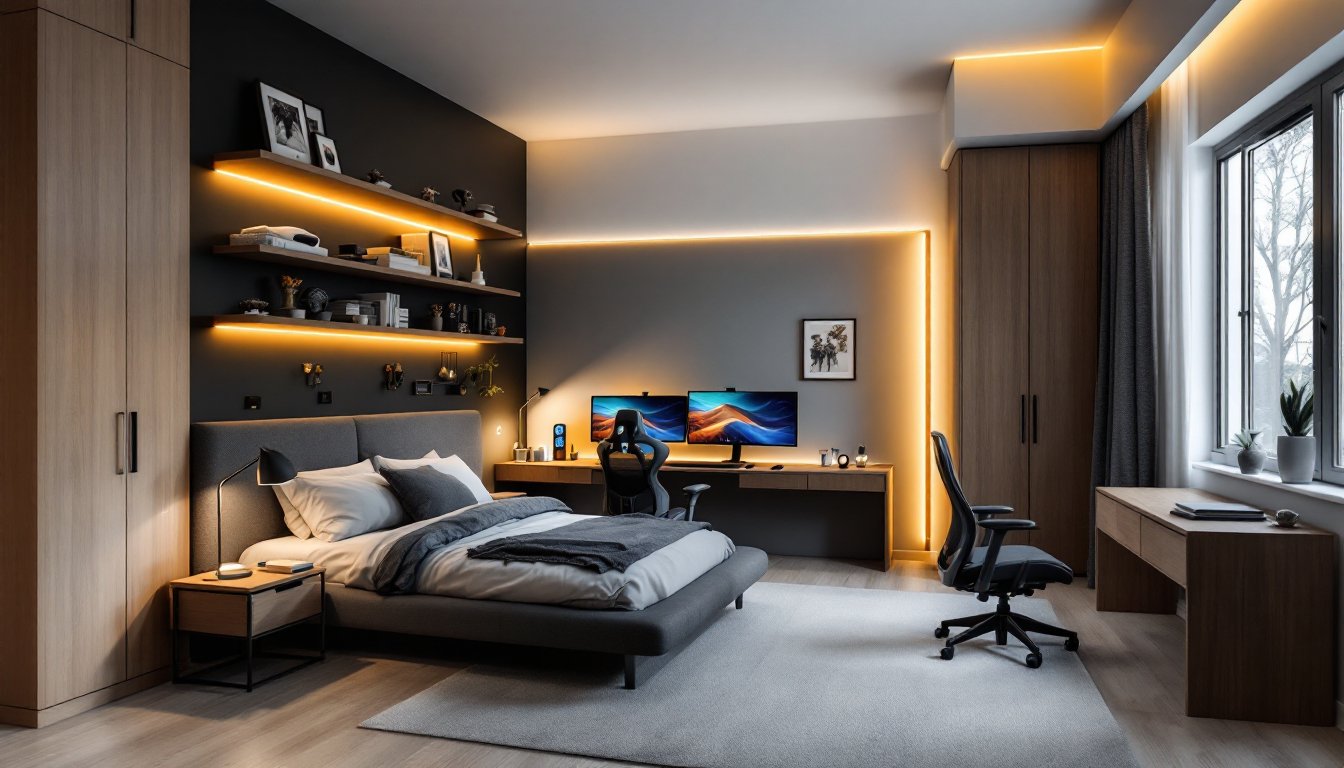
In studio-style tiny homes, separating the bedroom and living areas is crucial for livability. A curtain rod mounted from ceiling to floor with a blackout curtain provides privacy and sound dampening without permanent installation. If you’re renting, this is your best option, install a tension rod and curtain: no holes required.
A partial wall or room divider (half-height or angled) creates a visual break without blocking sightlines. These can be built from lumber and drywall or purchased as standalone screens. Building your own 4-foot-high wall between a bed and living area requires basic framing skills: 2×4 studs, drywall, and finishing, but creates a permanent, polished look.
Raised or recessed flooring levels signal different zones. A bedroom area slightly elevated on a platform bed with a low-profile storage base visually separates it from the living area. This requires structural planning (ensuring the platform is solidly built and level) but works beautifully in open layouts.
Tiny home renovation ideas frequently use half-walls, sliding barn doors, or pocket doors to create flexible separations that can open or close depending on your needs. A pocket door (which slides into the wall cavity) saves the 24 to 32 inches a traditional swing door requires. Home renovation ideas on a budget often spotlight pocket door installations as a smart DIY upgrade that dramatically improves functionality without major construction. For renters, a lightweight sliding door panel on a track provides the same benefit of visual separation and privacy without permanent installation.
Real homes from IKEA Hackers’ tiny house build demonstrate how creative zoning and IKEA products combine to create distinct spaces within minimal square footage, proving that thoughtful layout decisions matter more than total size.