A small backyard doesn’t mean settling for cramped outdoor living. Raised decks offer homeowners and DIY enthusiasts a practical way to maximize tight spaces while adding real square footage to a property. Whether you’re working with a postage-stamp lot or just want to create a defined entertainment zone, small raised deck ideas deliver the style and function that cosmetic ground-level patios can’t match. This guide walks through modern compact designs, material choices, and budget-friendly approaches that let you build something both visually striking and functional, without needing a contractor or a sprawling yard to start.
Table of Contents
ToggleKey Takeaways
- Small raised deck ideas create usable outdoor space on uneven terrain without expensive grading, making even 12-by-14-foot designs feel intentional rather than cramped.
- Multi-level platforms, angled edges, and L-shaped footprints transform tight yards into visually interesting spaces while maximizing efficiency on odd-shaped lots.
- Composite decking costs 2–3 times more upfront than treated lumber but requires minimal maintenance and lasts 25+ years, making it ideal for small spaces where the premium is more manageable.
- Built-in seating, storage benches, planter boxes, and underdeck systems maximize every inch without eating into usable deck space.
- Verify local building codes and frost-line footing requirements (typically 3–4 feet deep) before starting; DIY works for decks under 200 square feet if you own basic tools, but hire a professional for complex connections or footings.
Why Choose a Raised Deck for Small Spaces
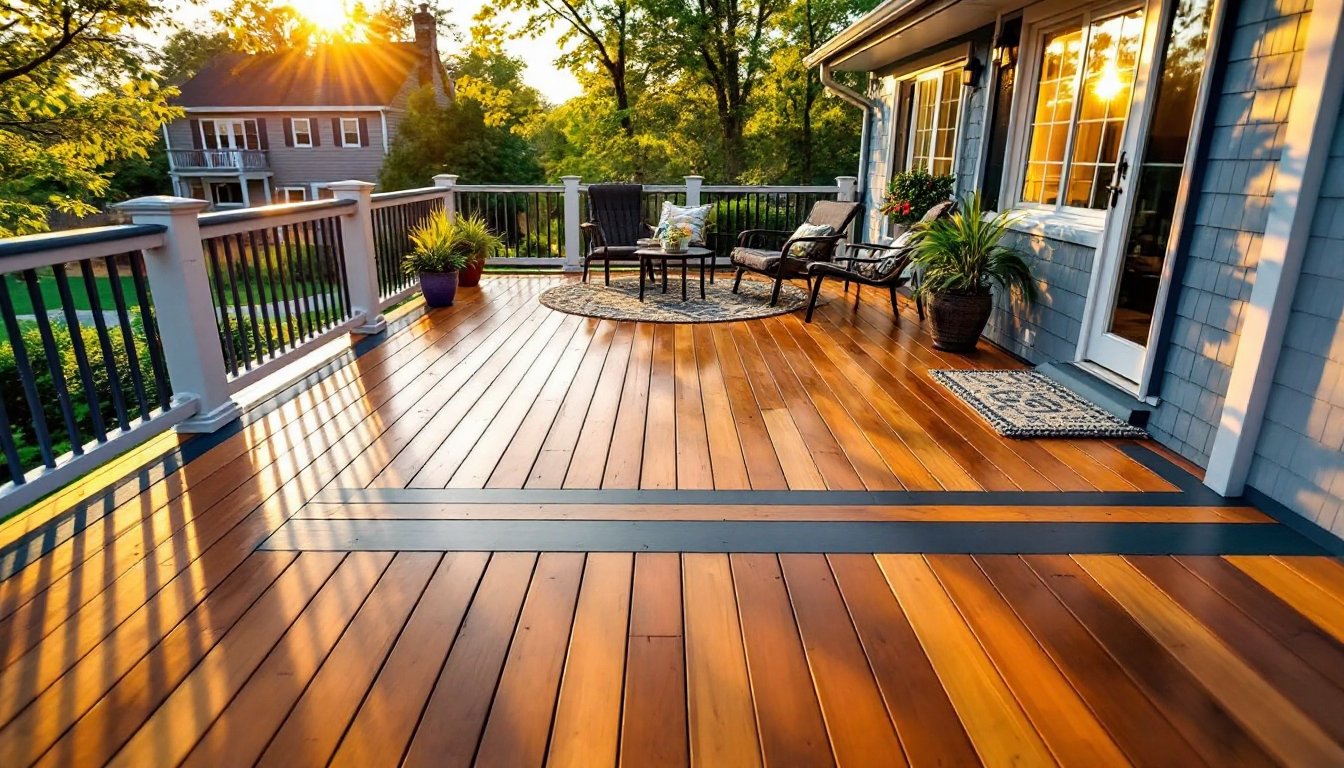
Raised decks solve real problems that ground-level solutions can’t. First, they create usable space above uneven terrain, soggy soil, or sloped yards, no grading or major earthwork required. Second, elevation adds visual interest and makes a modest footprint feel intentional rather than cramped. A 12-by-14-foot raised deck reads larger than a same-size patio because the deck floats and defines its own zone.
Raised construction also improves drainage, reduces moisture damage to rim joists (the band at deck perimeter), and keeps the deck surface dry faster after rain. From a code perspective, raised decks over 30 inches high require railings and guard spacing per the International Residential Code (IRC), a safety feature that also adds visual structure. For small yards, even an 18-to-24-inch raise feels substantial without looking imposing.
Modern Compact Deck Designs for Tight Yards
Multi-Level Platforms for Visual Interest
A single-level raised deck is functional, but two or three staggered platforms transform a small space into something architecturally interesting. Think of it as visual layering: a main deck at 18-24 inches, with a lower step or planter-integrated platform at 12 inches. This approach breaks up sight lines and makes the footprint feel intentional rather than utilitarian.
Angled or curved deck edges soften hard lines and feel more contemporary. An L-shaped or T-shaped footprint adapts to existing features, a tree, fence line, or house corner, and makes efficient use of odd-shaped lots. Composite decking works beautifully here because curves and angles are cleaner with materials like Trex or Azek, which don’t splinter or require the same maintenance as treated lumber.
For truly tight spaces (under 150 square feet), a floating platform deck, supported by corner posts but minimal railings, maximizes openness. These work well for meditation spaces or small seating areas without feeling caged by safety guardrails. Still comply with code requirements for your jurisdiction: heights and railing rules vary by region.
Material Options That Maximize Style and Durability
Pressure-treated lumber remains the budget workhorse. #2 grade pressure-treated 2×8 joists and 5/4×6 deck boards (actual dimensions: 1.25 inches thick, 5.5 inches wide) cost $2–5 per linear foot and last 15–20 years if maintained. The trade-off: it requires annual sealing and occasional staining to stay visually fresh.
Composite decking, plastic-wood blends from manufacturers like Trex, Azek, or TimberTech, costs 2–3 times more upfront ($8–15 per linear foot) but needs no staining, minimal maintenance, and holds color for 25+ years. For small decks, the upfront premium shrinks because total material volume is lower. A 200-square-foot composite deck might run $2,000–3,000 delivered: treated lumber for the same footprint costs $800–1,200 but demands ongoing care.
PVC decking (solid plastic, no wood fibers) resists rot and mold better than hybrid composites, useful in humid climates, but runs highest in cost and can feel plasticky. For modern compact designs, composite offers the sweet spot: low maintenance, clean lines, and color options that complement small-space aesthetics without looking cheap.
Smart Space Solutions and Built-In Features
Maximize every inch by integrating built-in seating, storage, or planters into the deck structure. A bench along one edge uses deck framing efficiently, and hollow bases store cushions or tools. Integrated planter boxes (12–16 inches deep) define edges while growing herbs or low shrubs without eating into usable deck space.
Underdeck systems, solid or grated panels mounted under joists, create covered storage or a dry zone underneath. For a 12-by-14-foot deck, underdeck storage gains 150+ square feet of shadowed space at a fraction of new construction cost. Skirt boards (solid panels around the perimeter) hide exposed framing and keep debris from accumulating below.
Lighting is non-negotiable for small spaces. Recessed post cap lights, step lights, or low-voltage rope lighting make the deck feel larger and safer at night without dominating sightlines. Solar options reduce wiring complexity: hardwired systems are brighter but require running conduit from the house, often worth hiring an electrician to meet NEC (National Electrical Code) requirements for outdoor circuits.
For DIY guidance on deck-building projects, platforms like Instructables offer step-by-step tutorials and design ideas that adapt well to compact footprints.
DIY vs. Professional Installation: Weighing Your Options
A deck under 200 square feet and under 30 inches high may not require a permit in some jurisdictions, but verify with your local building department before starting. Anything higher, or any deck attached to the house, likely needs permits and inspection. This isn’t bureaucratic busywork: frost-line footings (typically 3–4 feet deep in cold climates) and correct joist spacing prevent collapse and keep insurance valid.
DIY installation works well if you own a miter saw, circular saw, drill, and level, tools most hobbyists already have or can borrow. Material handling and post-hole digging demand physical stamina: consider renting a power auger for footings. The learning curve is moderate: deck-building has fewer hidden variables than interior renovation.
Hire a pro if you’re uncomfortable with footings, can’t get proper grading, or face complex connections to the house (flashing, ledger boards, frost issues). A 14-by-16-foot deck professionally installed runs $3,500–6,000 depending on materials and region: DIY with treated lumber cuts that in half but demands your time and some elbow strain.
Free plans tailored to small spaces, such as those found on Ana White’s simple playhouse deck plans, provide solid starting points. For workshop guidance and detailed builds, Fix This Build That offers tool reviews and framing fundamentals that apply directly to deck projects.
Conclusion
Small raised decks are no compromise, they’re a smart use of limited space that pays real dividends in livability and resale appeal. Whether you go pressure-treated and hands-on or composite and low-touch, prioritize code compliance, solid footings, and thoughtful design. A well-built 12-by-16-foot deck transforms how a household uses its yard and costs less than a week-long vacation. Start small, measure twice, and don’t skip the prep work. Your neighbor will be asking who built it.