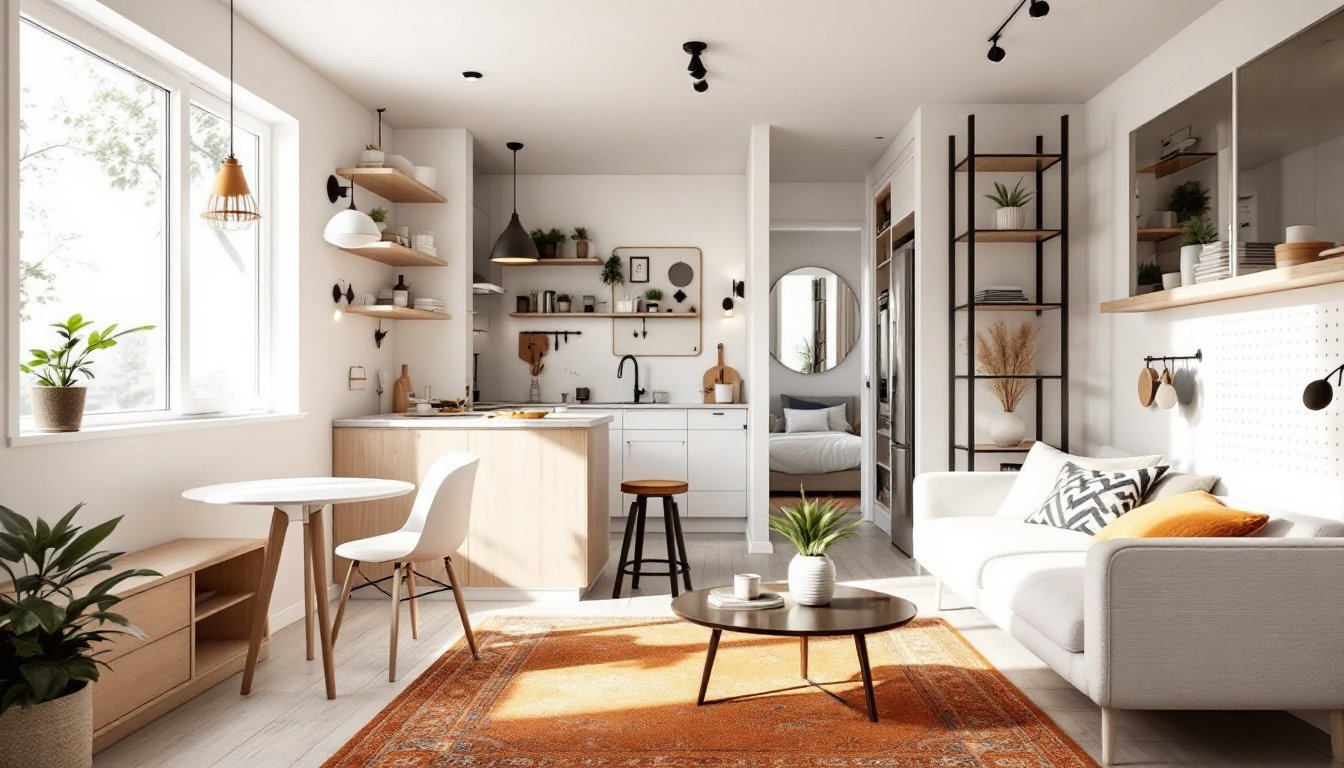
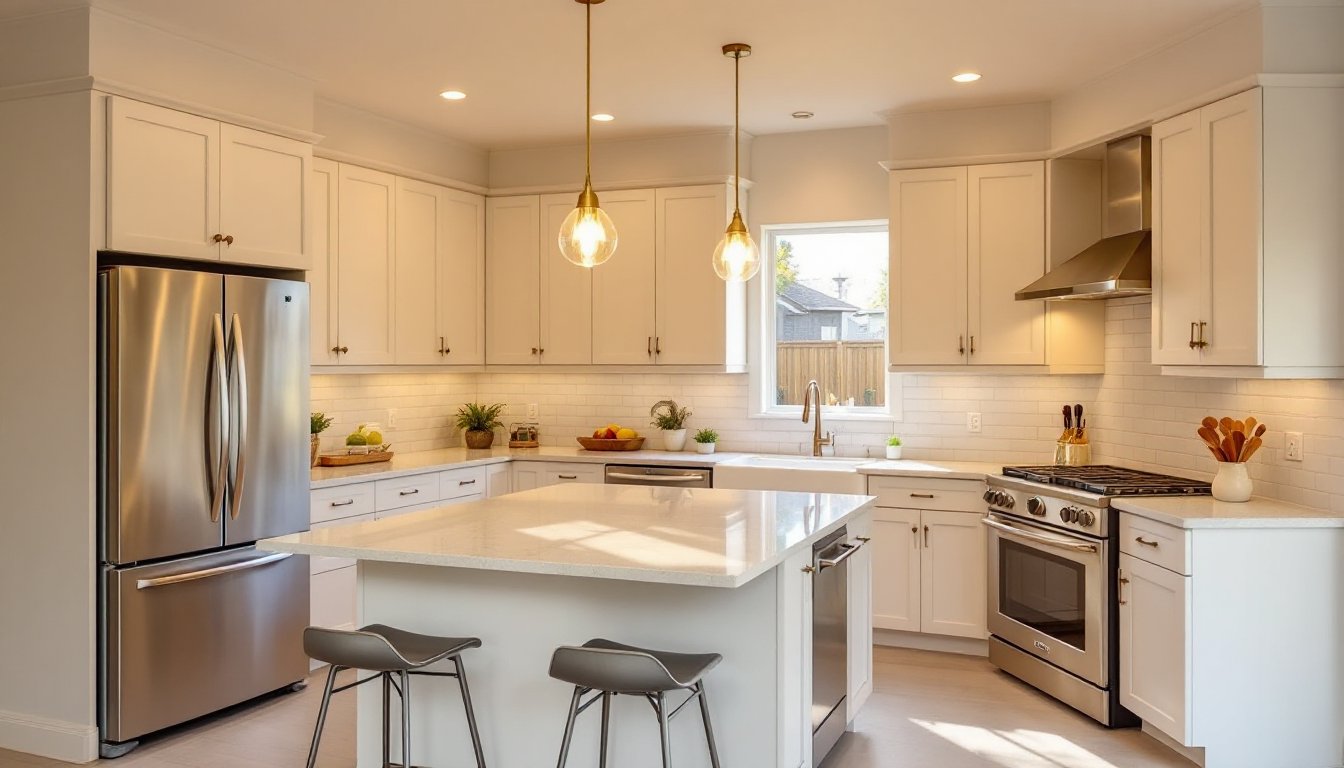
A small farmhouse kitchen doesn’t mean sacrificing charm or functionality. Whether you’re working with a galley layout, a corner nook, or a modest galley setup, the farmhouse aesthetic thrives on smart storage, neutral tones, and honest materials. The beauty of this style lies in its simplicity, think open shelving, vintage-inspired fixtures, and weathered wood, all achievable on a reasonable budget. This guide walks you through 12 practical design ideas to turn your compact kitchen into a warm, inviting space that feels both timeless and intentional.
Table of Contents
ToggleKey Takeaways
- Small farmhouse kitchen ideas leverage open shelving and neutral color palettes to maximize space while maintaining timeless charm and functionality.
- Open shelving requires sturdy wall anchors into studs and strategic spacing of items to create visual interest without clutter in compact layouts.
- Neutral foundation colors like white, cream, and soft gray reflect light and prevent small kitchens from feeling cramped, with muted accent colors limited to hardware and textiles.
- Authentic farmhouse materials including butcher-block countertops, reclaimed wood, and cast-iron accents age gracefully and cost significantly less than modern luxury finishes.
- Layered lighting combining ambient ceiling lights, task lighting under cabinets, and vintage pendant fixtures creates both mood and functionality in small farmhouse kitchens.
- Hardware upgrades like wrought-iron pulls, oil-rubbed bronze faucets, and an apron-front farmhouse sink serve as affordable yet impactful details that anchor the entire design.
Maximize Storage With Open Shelving and Vintage Displays
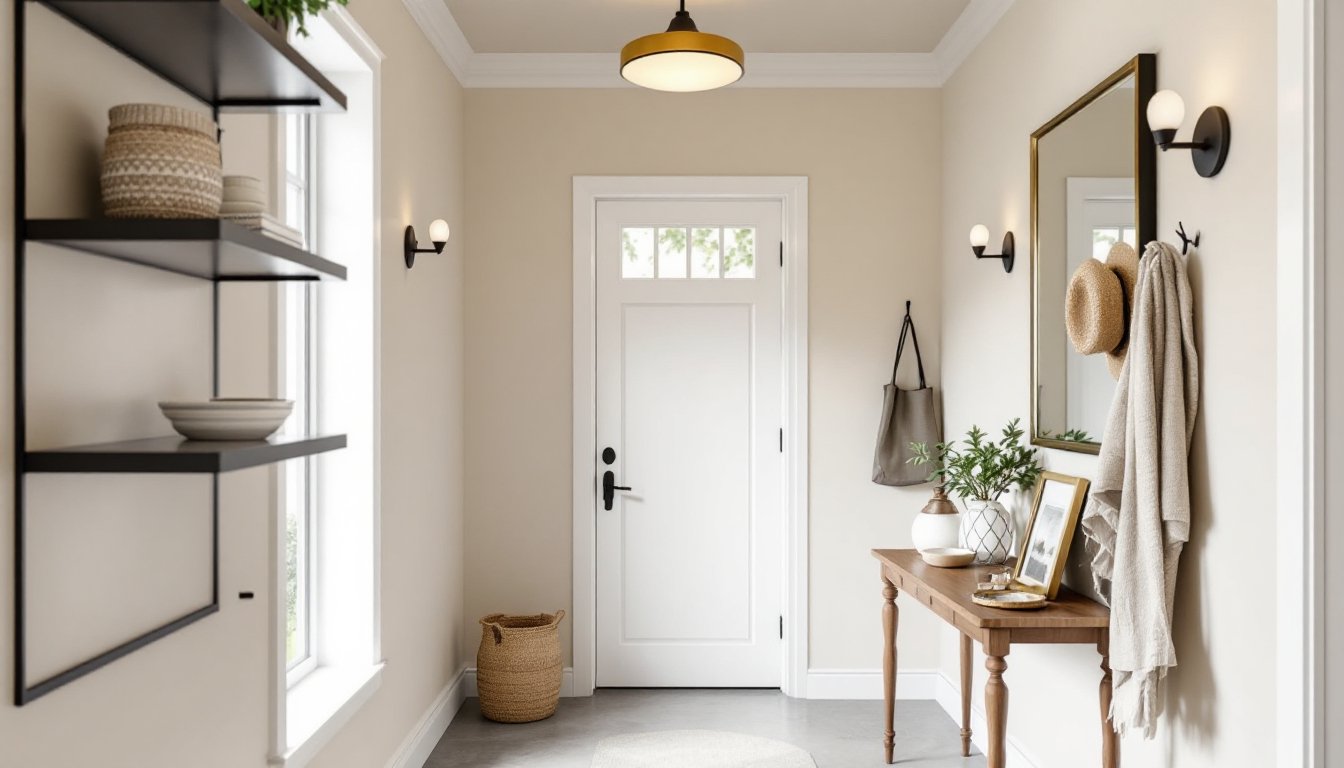
Open shelving is a farmhouse staple that solves a real problem in small kitchens: limited cabinet space. Instead of visual clutter, you’re trading floor footprint for vertical real estate. Wall-mounted shelves (typically 12 inches deep) run the length of walls where traditional upper cabinets would sit, and the lack of cabinet doors makes the space feel larger than it is.
When installing open shelving, measure twice and use sturdy hardware. A 1×12 board (actual dimensions: 0.75″ × 11.25″) spanning 36 inches needs brackets at 16-inch intervals, more if you’re storing cast iron or dinnerware. Anchor brackets into studs whenever possible: drywall anchors alone won’t handle a loaded farmhouse kitchen. Finish brackets in matte black, oil-rubbed bronze, or aged iron to suit your look.
On the shelves themselves, group items by function and visual weight. Stack white dishes on one shelf, store glassware on another, and let vintage serving pieces or mismatched pottery serve as decor. This isn’t just storage: it’s part of your design. A few cookbooks with linen spines, a copper measuring-cup set, and clear glass jars filled with dry goods create visual interest while keeping essentials within arm’s reach. Avoid cramming every inch, negative space prevents visual fatigue in a small kitchen.
Choose Neutral Color Palettes for Timeless Appeal
Whites, Creams, and Soft Grays as Foundation Colors
The farmhouse kitchen’s foundation is always neutral. White cabinetry, whether painted, stained, or naturally pale, reflects light and prevents a tiny kitchen from feeling boxed in. If you’re painting existing cabinets, use a high-quality semi-gloss or satin finish paint (Benjamin Moore, Sherwin-Williams, or Farrow & Ball all offer classic farmhouse whites). Semi-gloss resists kitchen splashes better than flat finishes, and one gallon covers roughly 350–400 square feet.
Cream and soft gray are equally safe. Soft grays (like Benjamin Moore’s “Accessible Beige” or Sherwin-Williams’ “Urbane Bronze” in a very light tint) add subtle depth without overwhelming a compact layout. Creams warm up a north-facing kitchen without feeling dated. Pair any of these with a contrasting island or lower cabinetry, perhaps a deeper charcoal or muted sage, to define zones without visual fragmentation.
Wallpaper is optional but effective. Shiplap-textured paint, beadboard wainscoting (36 inches high from the floor), or a subtle geometric or gingham pattern on one accent wall adds character without color chaos. Budget roughly $20–40 per roll for quality farmhouse-style wallpaper: one accent wall needs 3–6 rolls depending on dimensions.
Accent Colors That Complement Farmhouse Style
Accents work best in soft, muted tones. Sage green, dusty blue, warm taupe, or soft terracotta serve as secondary colors but shouldn’t dominate. Limit accent colors to hardware, textiles, or a small feature like an open-shelving backing. A dusty green island base paired with white uppers, for example, creates visual hierarchy without clashing.
Textiles, tea towels, a small runner rug, or chair cushions, are the easiest way to test colors before committing. Swap them seasonally if you like. According to The Kitchn, restraint is key: two accent colors maximum, applied to less than 30% of visible surfaces. This rule keeps farmhouse kitchens feeling cohesive rather than trendy.
Incorporate Rustic Materials and Textures
Authentic farmhouse kitchens are built on honest materials: reclaimed or distressed wood, cast iron, galvanized metal, and natural stone. These aren’t expensive luxuries, they’re practical choices that age gracefully.
Wood elements anchor the design. A butcher-block countertop, solid wood shelves, or a farmhouse sink base in natural or stained wood bring warmth to neutral cabinetry. Reclaimed barn wood or distressed pine shelving costs $25–80 per linear foot installed: new wood stained to look aged runs $15–40. Seal wood countertops with food-safe mineral oil or polyurethane (matte finish looks more rustic than glossy).
Countertops benefit from tactile contrast. Butcher block pairs beautifully with white cabinets and costs $50–100 per linear foot. Concrete, honed limestone, or soapstone are pricier ($100–200 per foot) but extremely durable and age beautifully. A Budget Home Renovation approach: pair a modest countertop with open shelving and let the shelves be your visual anchor.
Backsplash is your texture playground. White subway tile with wide grout (bullnose edge, matte finish) stays timeless and costs $8–15 per square foot. Alternatively, shiplap (either real or painted MDF planks) runs $1–3 per board foot and fastens with construction adhesive or finish nails. Avoid glossy finishes: they read “modern” rather than “farmhouse.” Cast-iron accents, hooks, brackets, pot racks, are inexpensive (often under $20 each) and reinforce the rustic theme. Metal hardware and fixtures should have a matte or patina finish, never shiny chrome.
Upgrade Lighting With Vintage and Pendant Fixtures
Lighting defines mood and function in a small kitchen. Vintage or farmhouse-inspired fixtures shouldn’t feel dark or heavy, they’re typically glass or perforated metal in matte black, brushed nickel, or aged bronze finishes.
Pendant lights above a sink or island are standard. A three-light cluster (12–15 inches between fixtures) suits kitchens under 12 feet wide: single oversized pendants work for islands 24+ inches wide. Glass cylinders, barn-style metal shades, or Edison-bulb fixtures ($30–150 each) all read farmhouse. Verify electrical capacity: pendant installation requires running new wire through walls or ceiling joists. If you’re not comfortable with wiring, hire an electrician, mishandled circuits are fire hazards.
Recessed lighting provides ambient background light without breaking the design. Four to six fixtures (5000K color temperature, dimmable) cover a 100–150 square-foot kitchen. Budget $40–80 per fixture installed. Pair recessed lights with under-cabinet strips (LED tape, $20–50) to brighten countertops and open shelves without visible hardware.
Vintage barn sconces flanking a window or mirror add character and task lighting. Sources like Country Living frequently feature farmhouse lighting designs. Track lighting is functional but looks too industrial: avoid it unless your kitchen is authentically utilitarian. A small farmhouse kitchen benefits from layered lighting: ambient (ceiling), task (under-cabinet, pendants), and accent (sconces). Dimmers on most circuits let you adjust mood without rewiring.
Add Farmhouse Details Through Hardware and Fixtures
Hardware is jewelry for cabinetry. In a small kitchen where every detail shows, cabinet pulls and knobs set the aesthetic instantly. Farmhouse staples include wrought-iron cup pulls, aged brass bin handles, or simple ceramic knobs with a hint of glaze.
Replacing cabinet hardware is a one-afternoon DIY job. Remove old pulls (most are screwed from inside), measure center-to-center distance, drill new holes if needed, and install new hardware with supplied screws. Cost per pull or knob runs $2–15: a kitchen with 20 cabinet doors and drawers totals $40–300 for a complete refresh. Avoid shiny chrome or modern minimalist designs, matte finishes and ring pulls (old-fashioned but durable) reinforce farmhouse character.
Faucets matter equally. A high-arc farmhouse or bridge faucet (the curved spout and cross handles are iconic) costs $150–400 and is your kitchen’s most-used fixture. Installation involves removing the old faucet (usually three bolts under the sink) and connecting supply lines to the new model. Most homeowners can handle this with an adjustable wrench and flexible supply lines, though a plumber can finish the job for $100–200 labor. Brushed nickel, oil-rubbed bronze, or aged brass finishes suit farmhouse style.
A farmhouse sink, typically a white or cream cast-iron apron-front or farm-style basin, is the kitchen’s visual anchor. Sizes range from 30 to 48 inches wide: a 36-inch double-bowl sink is standard for small kitchens. Budget $300–1500 depending on finish and depth. Installation requires sink brackets, matching drain assembly, and possibly reinforcing the base cabinet if you’re upgrading from a smaller sink. Remodelista showcases curated farmhouse sink and faucet pairings that work beautifully in compact layouts. Details like an open wooden shelf under the sink, exposed plumbing in aged brass, or a simple wooden soap dispenser complete the look without extra cost.