A teenage boy’s bedroom isn’t just a place to sleep, it’s his retreat, his study zone, and often his entertainment hub all rolled into one. Whether he’s into gaming, music, sports, or building projects, the space needs to work as hard as he does. The challenge? Creating a room that looks intentional and mature without turning it into a showroom or very costly. This guide walks through practical design strategies that balance style, function, and longevity so the space grows with him through his teens and into adulthood.
Table of Contents
ToggleKey Takeaways
- Teenage boys bedroom ideas thrive on a neutral color foundation (charcoal, gray, soft navy) that provides maturity and longevity while allowing creative expression through removable elements like bedding and posters.
- A minimalist design approach with clean lines, purposeful furniture, and well-chosen statement pieces keeps the space functional, easy to maintain, and adaptable as interests evolve.
- Prioritize functional storage solutions—under-bed containers, wall-mounted shelving, closet organizers, and labeled clear bins—to contain clutter and create an intentional, organized look.
- Layer your lighting with task lighting at the desk, ambient LED strips, and dimmable options to reduce eye strain, set mood, and define different zones for study and entertainment.
- Design around his specific interests (gaming, music, sports, building) by investing in modular, flexible furniture pieces that can be reconfigured without a complete overhaul as hobbies change.
Define Your Style Direction
Modern Minimalist Approach
Minimalism works exceptionally well for teenage boys’ rooms because it cuts through the noise, literally and visually. A minimalist space relies on clean lines, a restrained color palette, and furniture that serves a clear purpose. Rather than filling shelves with decorative items, the focus lands on a few well-chosen pieces that matter to him.
Start with a solid platform bed in natural wood or black metal, paired with neutral bedding. Add a simple desk against one wall for assignments or hobbies. Wall-mounted shelving keeps the floor open and gives the room an airy feel. One or two statement pieces, a vintage poster, a skateboard mounted as art, or a carefully curated display of collectibles, anchor the aesthetic without clutter.
The beauty of minimalism is its flexibility. As his interests shift, swapping out one accent piece or rearranging wall art feels fresh rather than jarring. It also makes cleaning straightforward, which every parent appreciates.
Gaming and Entertainment Focused Spaces
If your teen lives for gaming, streaming, or music production, design the room around those activities. This means a solid desk setup capable of supporting dual monitors, a gaming chair with proper back support, and cable management that doesn’t look like spaghetti.
Consider mounting monitors on an adjustable arm to free up desk real estate. Use cable conduit or adhesive clips to route wires behind or along walls. Storage cubbies or shelving above the desk keep controllers, headsets, and collectibles within arm’s reach but off the work surface.
Lighting is critical here. Soft LED strips behind the desk reduce eye strain during long sessions, while dimmable overhead lights let him adjust the mood. Keep in mind that gaming setups evolve: invest in modular furniture and flexible storage so he can reconfigure without a full overhaul.
Color Schemes That Grow With Your Teen
Avoid paint colors based solely on his current favorite sports team or music artist. Trends shift (sometimes monthly at that age), and repainting is hassle. Instead, choose a neutral base, charcoal, warm gray, soft navy, or even off-white, that can anchor the room for years.
Neutrals aren’t boring when paired strategically. A charcoal accent wall behind the bed creates depth, while the remaining walls stay light to keep the room from feeling cave-like. Introduce color through removable elements: bedding, posters, desk accessories, and lighting. This approach means he can refresh the aesthetic without major renovations.
If he’s set on a bolder color, contain it to one wall or use peel-and-stick wallpaper so changes don’t require professional painters. Darker colors (forest green, deep blue, charcoal) feel more mature and are more forgiving of the typical teenage room, dust, fingerprints, and minor scuffs blend in. Lighter walls help a smaller room feel larger and maintain versatility as his style evolves.
The goal is a foundation that lasts while allowing creative expression through layers he controls.
Functional Furniture Arrangements for Small and Large Rooms
Room size dictates layout, but smart placement works in both scenarios.
Small Rooms (Under 100 sq ft):
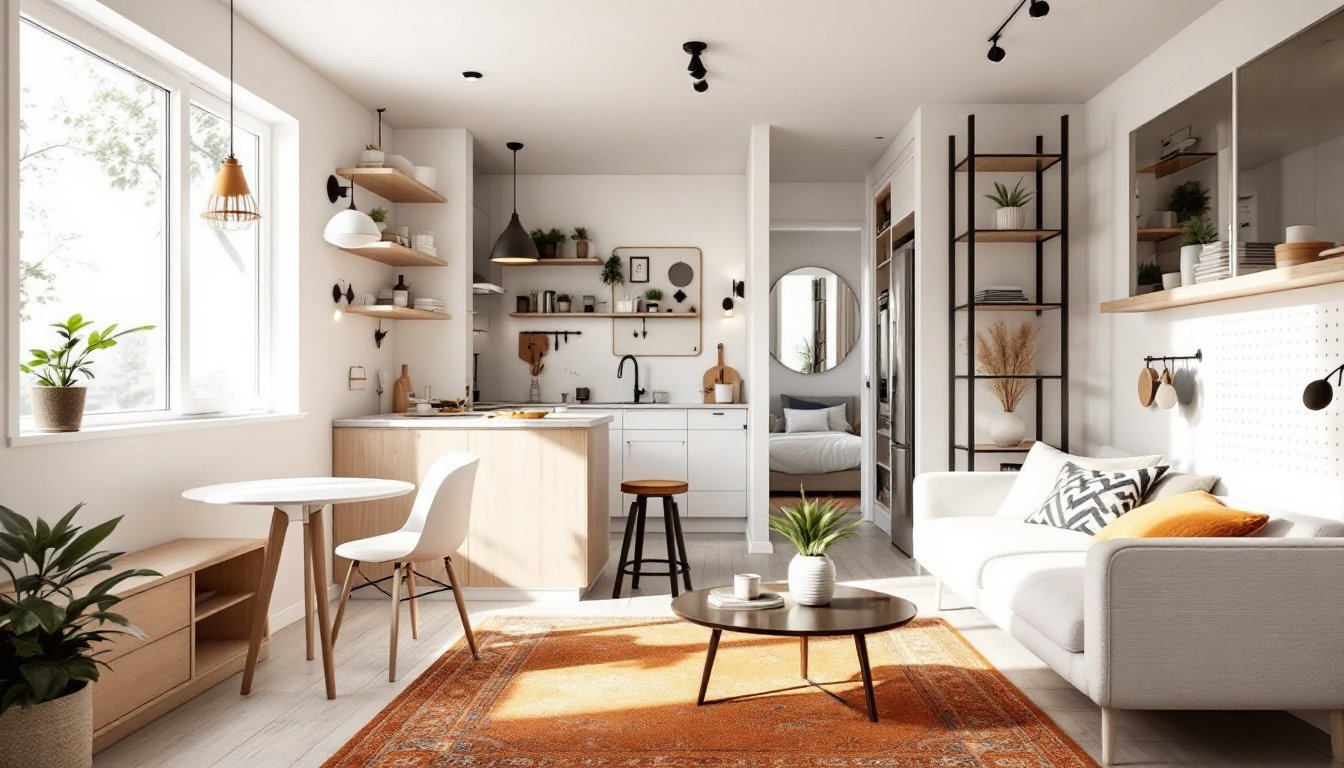
Position the bed against the longest wall to preserve floor space. A desk tucked in a corner or under a window maximizes natural light and saves square footage. Wall-mounted shelving replaces traditional bookcases. Use vertical space aggressively, tall, narrow storage units stack more efficiently than sprawling furniture. A single chair or pouf adds seating without eating space.
Larger Rooms (100+ sq ft):
You’ve got room to breathe, so define zones. An entertainment area with a small gaming setup in one corner, a study zone with the desk and task lighting near a window, and a sleeping area with the bed as an anchor creates natural flow. A low credenza or shelving unit can subtly divide zones without feeling cramped.
Regardless of size, measure doorways and hallways before moving anything in. The nominal dimensions on furniture (especially bed frames) can be misleading. A king mattress is 76″ wide by 80″ long, so ensure doors and stairwells accommodate it. Avoid blocking the door swing or radiators. Leave at least 24 inches of clearance on the side of the bed where he gets in and out, cramped access breeds frustration.
Flexible pieces, a rolling desk cart, modular storage, or a bed with built-in drawers, adapt as his needs change without full rearrangement.
Storage Solutions That Hide the Clutter
Teenage boys accumulate stuff: clothes, gear, hobby materials, tech cables, old projects. Storage that looks intentional prevents the room from devolving into chaos.
Begin with under-bed storage containers (label them clearly). Dresser drawers handle daily wear and socks, no need to keep everything visible. Closet organization using slim hangers, shelf dividers, and hanging organizers turns dead space into functional area. Over-the-door shoe racks and hooks free up floor real estate for other purposes.
Wall-mounted cubbies or floating shelves display items he’s proud of (gaming trophies, model collections, framed photos) while keeping them dust-free and organized. Avoid open shelving everywhere: it reads as cluttered fast. Reserve one or two shelves for display: the rest should be concealed in drawers or closed cabinets.
For hobby materials, Lego, art supplies, gaming accoutrements, invest in a few clear storage bins. Clarity matters because he’ll actually use what he can see. Label them so items return to the right home. If closet space is tight, a tall narrow cabinet or wardrobe in a corner provides concealed storage without demanding much footprint.
Designs using IKEA furniture modifications often yield clever storage hacks that cost a fraction of custom built-ins. Even simple additions like drawer dividers and labels transform generic storage into an organized system.
Lighting and Accent Pieces That Add Character
Overhead lighting alone is flat and harsh, especially in a room where he spends study and leisure time. Layer the lighting.
Task lighting at the desk (a swing-arm lamp or adjustable clip-on fixture) prevents eye strain during assignments or gaming. Ambient lighting, soft LED strips behind the desk, around shelving, or along the headboard, adds warmth and atmosphere without the intensity of a ceiling fixture. Dimmable options let him adjust based on mood and activity.
Accent lighting isn’t frivolous: it defines zones and sets the room’s vibe. String lights (the non-Pinterest version) work if he’s into a relaxed aesthetic. Neon signs or color-changing bulbs appeal to gaming enthusiasts. Ensure lights have solid mounting so they don’t rattle or fail mid-use.
Wall art, posters, and displays matter too, but avoid overcrowding. A single large poster or a carefully curated gallery of smaller prints on one wall feels intentional. A floating shelf displaying a few meaningful objects, a treasured book, a favorite gaming headset, a sports memento, personalizes the space without chaos.
The key is restraint. One or two strong accent pieces beat a dozen mediocre ones. Periodically edit: if something hasn’t caught his eye in six months, it’s clutter. This practice keeps the room fresh as his interests mature, and design inspiration platforms like Decoist showcase how to balance personal items with clean aesthetics.
<h2 id="” data-id=””>
A well-designed teenage bedroom works because it honors his style while prioritizing function and durability. Start with a neutral base, add flexible furniture, and let accessories tell his story. The room should feel like his, comfortable to live in, easy to maintain, and capable of growing with him. When he’s involved in the design choices, he’ll take better care of the space and feel genuine ownership over his retreat.