A swim spa deck isn’t just about poolside aesthetics, it’s the foundation for year-round enjoyment and the gateway to your backyard sanctuary. Whether you’re upgrading an existing installation or planning your first swim spa setup, the deck design determines how safely and comfortably your family will access and relax around the water. The right deck combines durability, slip resistance, and visual appeal while standing up to moisture, temperature swings, and heavy foot traffic. In 2026, homeowners have more stylish and low-maintenance options than ever before, from eco-friendly composite materials to natural stone that weathers beautifully over time. This guide walks you through seven proven deck approaches, each with real-world considerations about installation, upkeep, and cost, so you can pick the setup that fits your climate, budget, and lifestyle.
Table of Contents
ToggleKey Takeaways
- Swim spa deck ideas focus on durability and slip resistance, with composite decking and natural stone offering the best balance of aesthetics, longevity, and year-round performance.
- Composite decking costs $8–15 per square foot installed and lasts 25–30 years without staining, while capped boards resist staining better and are ideal for wet poolside environments.
- Proper site preparation with 2% grade drainage, 4–6 inch gravel base, and 48–72 hour material acclimation prevents premature deck failure and buckling.
- LED accent lighting (2700–3000K warm white) combined with strategic landscaping and raised planting beds transforms a basic deck into a resort-style retreat while maintaining safety and water quality.
- Building permits are required for decks over 200 square feet or higher than 30 inches, and compliance protects your investment, insurance coverage, and future property sales.
- Built-in benches, shade structures, and intentional seating layouts maximize comfort and social function while proper spacing, railings, and non-slip surfaces ensure safety for family and guests.
Modern Composite Decking Solutions
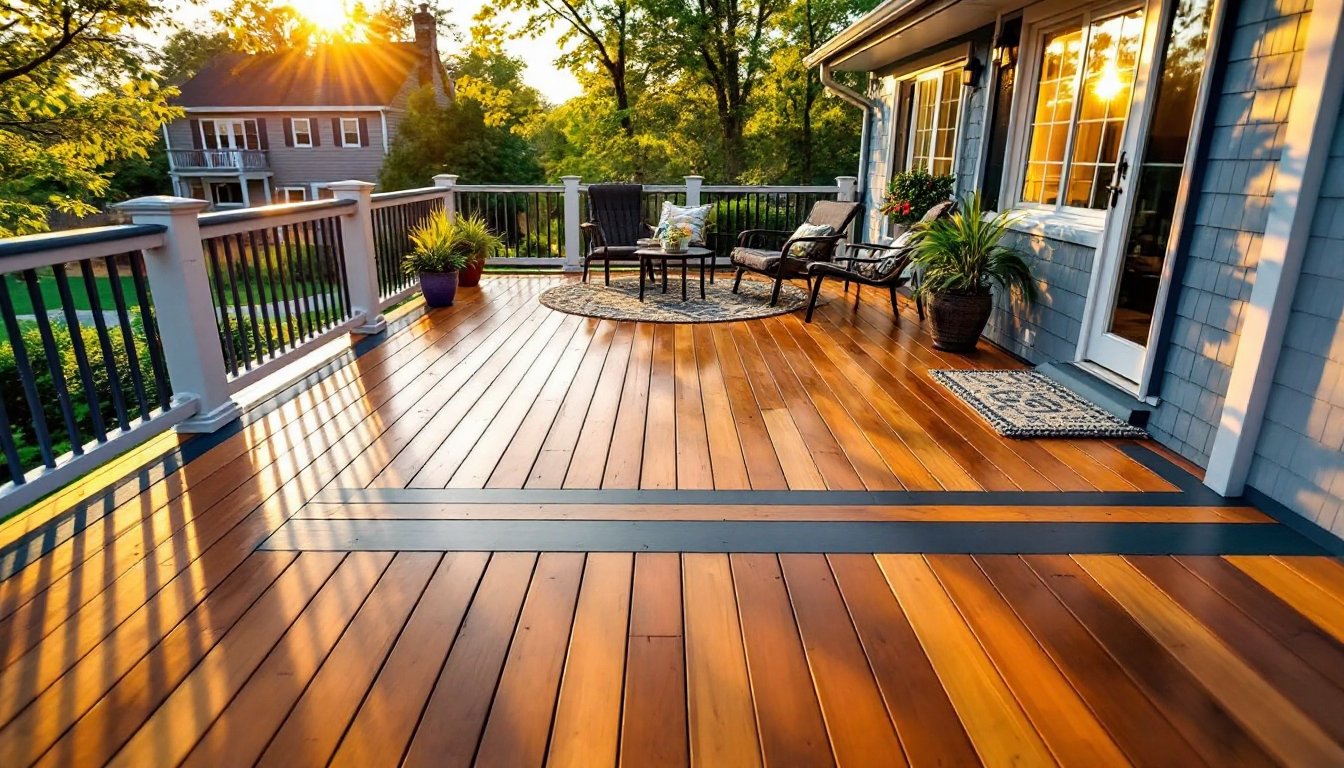
Composite decking has matured significantly and now dominates the swim spa market. Unlike pressure-treated wood or tropical hardwoods, composite materials blend wood fibers with plastic polymers, creating a surface that resists rot, mold, and fading while staying cooler underfoot than bare concrete.
Composite boards typically cost $8–15 per square foot installed (prices vary by region and material grade), roughly double solid wood but lasting 25–30 years without staining or sealing. Brands like Trex and TimberTech offer slip-resistant surface textures designed specifically for wet environments. You’ll find hollow, solid, and capped (with a protective shell) core options: capped boards resist staining better, making them worth the premium for poolside.
Installation is straightforward if you’re comfortable with basic carpentry. Composite decks need 8–12 inches of ground clearance for airflow and should sit on adjustable concrete footings rather than buried posts (which trap moisture). Most jurisdictions require a building permit for decks over 200 square feet or higher than 30 inches, so check your local code before breaking ground. A 12×14-foot swim spa deck typically takes a skilled DIYer 3–4 days with a helper, assuming prep and framing are done right.
The main downside: composite can expand and contract with temperature, so you’ll need proper spacing between boards and around perimeter trim. Follow the manufacturer’s expansion guidelines exactly, skimping here causes buckling and gaps.
Natural Stone and Paver Options
Natural stone and pavers deliver timeless elegance and unmatched durability, especially in climates where freeze-thaw cycles don’t wreak havoc. Slate, travertine, bluestone, and granite are popular choices: each has different slip-resistance ratings (important for wet feet) and regional availability that affects cost.
Travertine and slate naturally stay cooler and offer excellent grip when wet thanks to their textured surface. A professional installation runs $12–20 per square foot for labor and materials, depending on stone type and your region. DIYers can handle smaller installations by laying pavers over a compacted 4–6 inch gravel base and polymeric sand, but larger projects with cut-to-fit edging benefit from pro help.
Before ordering stone, verify that your local pool contractor or landscape architect has experience with your chosen material in your climate. Some stones absorb water and crack in freeze-thaw zones: others stain easily. According to expert guidance on pool design, selecting regionally appropriate materials pays dividends over time. Seal porous stones annually in wet climates to prevent moss and mineral staining.
Stone edges require careful finishing, rough cuts look homemade, while bullnose or honed edges read as polished. Budget for this detail: it’s the difference between a DIY project and a professional installation visually.
Tropical Oasis Landscaping Around Your Spa
Landscape plantings transform a bare deck into a resort-style retreat. Strategic greenery provides privacy, softens hard lines, and creates microclimates that boost comfort around the spa. Focus on plants that handle water splash, humidity, and your zone’s temperature extremes.
For warm climates, consider ferns, ornamental grasses, and tropical foliage like elephant ears and bird of paradise. Temperate zones work well with hostas, sedges, and evergreen shrubs (hydrangea, serviceberry) that provide year-round structure. Avoid dense, overhanging trees that drop debris into the water and shade the spa during off-season months.
Home design inspiration from Southern Living includes plenty of examples pairing outdoor water features with lush surrounding plantings that maximize both aesthetics and function. Raised planting beds around the deck perimeter not only look intentional but also create a subtle barrier that keeps soil and mulch splash off the decking.
Irrigating planted areas near the spa requires thoughtful planning, you don’t want runoff introducing fertilizer or debris to the water. Use drip lines and keep mulch at least 12 inches from the spa edge. Potted plants offer flexibility and let you rotate stock seasonally without permanent commitment.
Lighting and Ambiance Features
Outdoor lighting transforms a daytime deck into an inviting evening destination. Proper illumination also addresses safety, you want enough light to walk confidently and identify hazards after sunset.
LED Accent Lighting
LED string lights, deck rail lights, and underwater pool lights are low-voltage, energy-efficient options that run on 12V transformers. Solar-powered stake lights work for pathways and don’t require trenching. Recessed deck lights (flush-mount in the decking surface) cost more to retrofit but create a sleek, modern look. Plan your lighting layout before installing decking, running wiring through finished boards is messy and compromises the deck’s integrity.
Warm white LEDs (2700–3000K color temperature) feel inviting and don’t attract as many insects as cooler tones. Expect to spend $3–8 per light fixture for quality 12V LEDs: a complete system for a medium deck (400–500 sq. ft.) with path lights, rail lights, and accent uplighting runs $1,500–3,500 installed.
Higher-end systems include smart controls (dimming, color-change RGB options, and scheduling via phone apps), but basic timer-controlled lights accomplish the job reliably at a fraction of the cost. Check your local electrical code, most deck lighting can remain on a standard 15A breaker via a GFCI outlet, but larger installations may need a dedicated line. If you’re not confident running low-voltage wiring, hire a licensed electrician: mistakes here are expensive to fix and potentially unsafe.
Seating and Social Spaces
A swim spa deck doubles as a gathering spot, so thoughtful seating elevates the experience. Built-in benches, lounge chairs, and shade structures turn function into destination living.
Built-in benches maximize deck real estate and provide permanent, weatherproof seating. A simple bench frame uses 2×12 pressure-treated boards (actual dimension: 1.5 inches thick × 11.25 inches wide) mounted on a sturdy base with stainless steel hardware and composites or cedar tops. A 6-foot bench takes a weekend to build if you’re framing-savvy. Moveable furniture (teak or aluminum loungers) offers flexibility, you can rearrange for parties or seasonal sun exposure shifts.
Shade structures, pergolas, shade sails, or fixed awnings, keep users comfortable during peak sun and extend usability into hot afternoons. A basic 12×14-foot timber pergola with polycarbonate panels runs $2,000–4,500 installed and requires proper foundation anchoring (especially in wind-prone regions). Check local wind load codes if you’re in hurricane or tornado zones: an undersized structure becomes a projectile in a storm.
Layout matters: position seating to face the spa or views, avoid shadowing the water surface (which affects water temperature regulation), and keep sightlines clear for supervision if children use the spa. Home improvement project ideas from Better Homes & Gardens showcase how intentional placement and material choices make outdoor spaces feel cohesive and purposeful.
Practical Considerations for Installation and Maintenance
Before committing to a deck design, address the unglamorous realities: site prep, drainage, code compliance, and ongoing upkeep.
Site Preparation & Drainage: The ground beneath your deck must slope away from the spa at a minimum 2% grade (roughly 1 inch drop per 4 feet) to prevent standing water and rot. Remove topsoil and vegetation, then compact a 4–6 inch gravel base. Poor drainage causes premature failure regardless of your decking material: this step is non-negotiable.
Building Permits: Most jurisdictions require permits for decks exceeding 200 square feet, sitting above grade by more than 12 inches, or involving electrical work. Permits involve inspections, which sounds tedious but protect your investment and insurance coverage. Unpermitted work can void homeowner’s insurance claims and complicate future sales.
Material Acclimation: Composite boards and stone pavers absorb moisture and shift dimensions. Let materials sit on-site for 48–72 hours in their ambient conditions before installation. Ignoring this causes gaps and buckling post-installation.
Maintenance Schedules: Composite decking needs occasional power-washing (spring and fall) to prevent mold and algae. Use 1500 PSI maximum pressure, anything higher can scar the surface. Natural stone may need annual sealing in humid regions. Budget 4–6 hours twice yearly for basic upkeep.
Safety Details: Install 4-inch-high rails (handrails 34–38 inches) if your deck sits more than 30 inches above ground: use 4-inch-diameter ball stops to prevent small children and pets from slipping through balusters. Non-slip tape or coating on all stair treads is essential, especially near water.