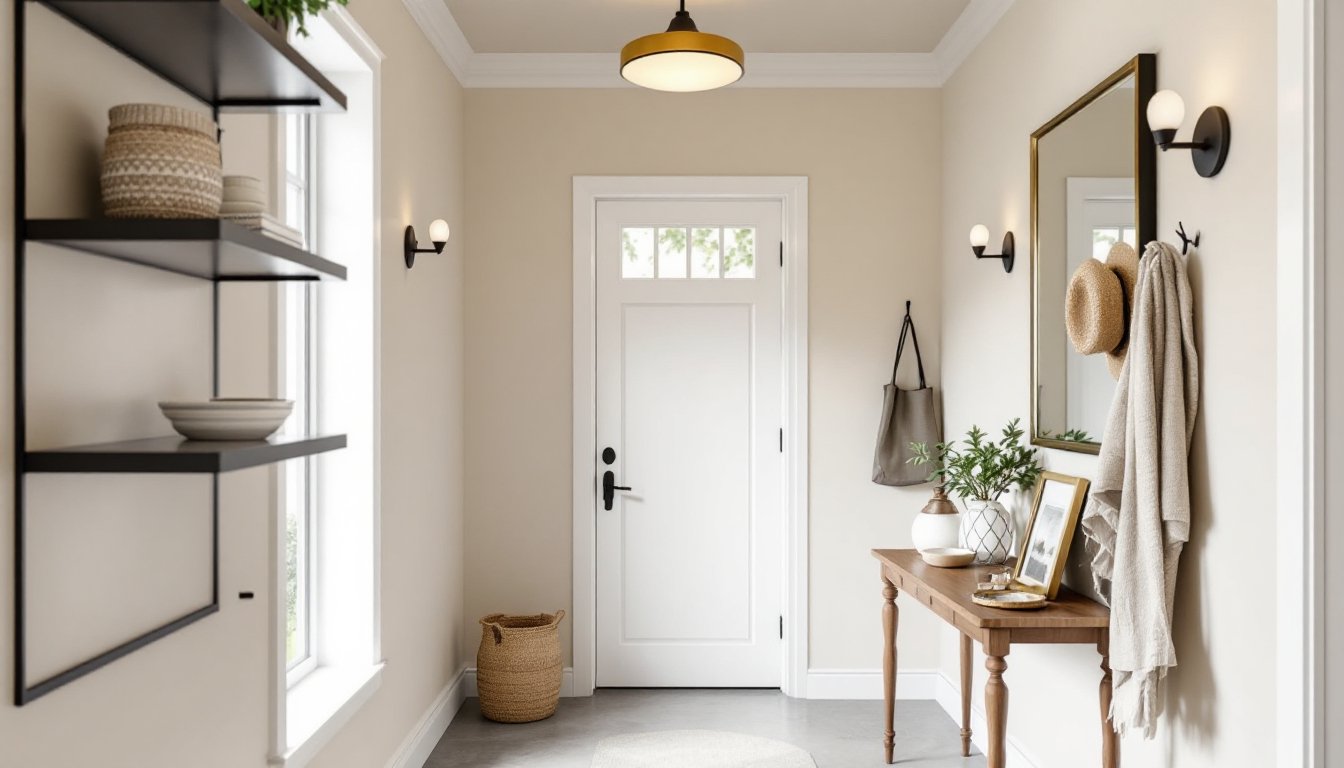
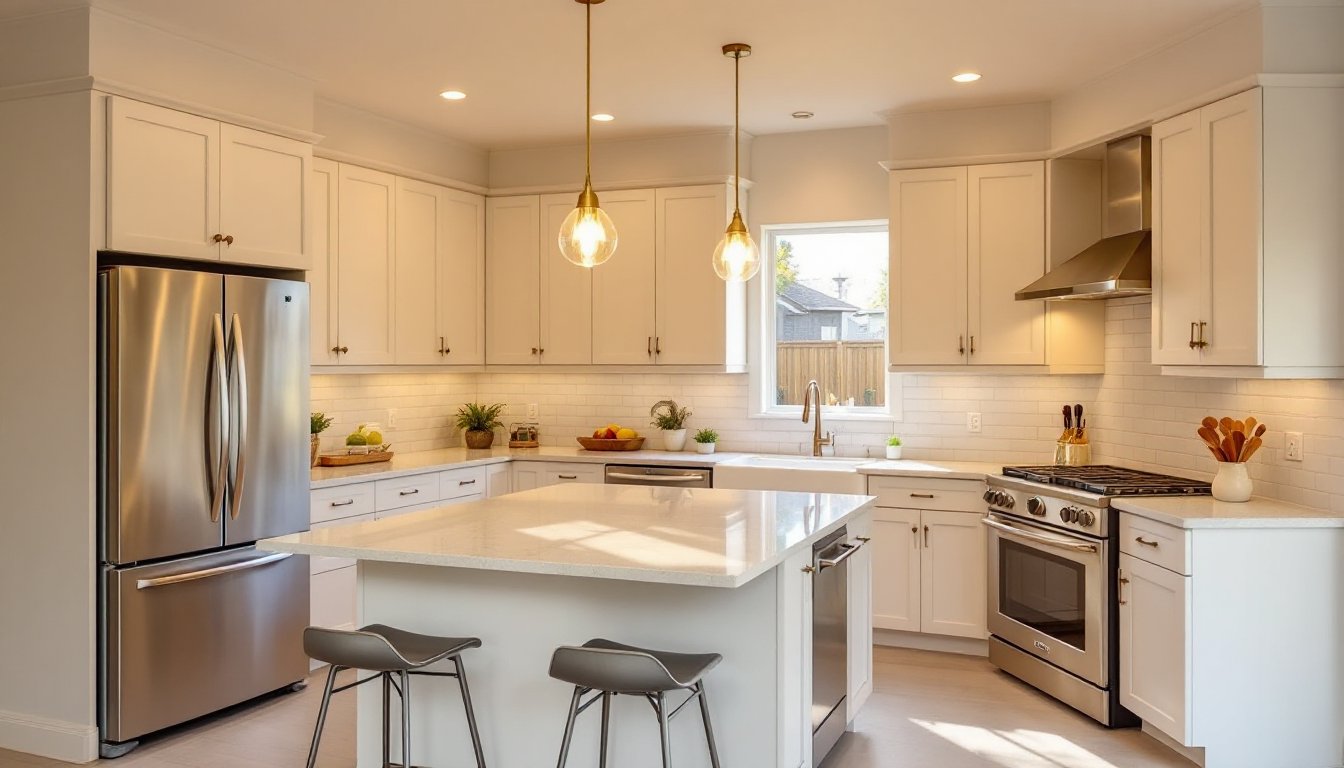
That awkward space under your staircase has been sitting empty long enough. Whether you’re running low on kitchen storage or need a dedicated pantry zone, an under stairs pantry is a practical solution that taps into square footage most homeowners overlook. This guide walks through 10 creative ideas, from custom built-ins to rolling carts, so you can turn dead space into functional, organized storage that fits your home’s layout and your budget.
Table of Contents
ToggleKey Takeaways
- Under stairs pantry ideas transform overlooked dead space into functional kitchen storage by utilizing creative solutions like open shelving, rolling carts, or custom-built cabinets tailored to your home’s layout and budget.
- Accurate measurement of width, depth, and height at multiple points is essential before committing to any under stairs pantry project, since staircases slope and create varying ceiling heights.
- Open shelving requires minimal DIY skills and offers quick access for daily staples, while custom-built cabinets provide a polished integrated look but demand intermediate carpentry knowledge and potential building permits.
- Rolling carts deliver flexible, renter-friendly storage that scales with your needs—test fit your cart dimensions (typically 24-36 inches wide) against your under-stairs opening before purchasing.
- Proper lighting with battery-powered LED puck lights ($8–15) or hardwired solutions prevents dark corners and lost groceries, while labeling shelves and maintaining an inventory sheet maximizes household organization and prevents over-buying.
- Moisture-resistant materials like PVC or melamine plywood should be prioritized for under stairs pantry storage in humid climates or near basements to protect food and prevent mold buildup.
Assess Your Space and Plan Your Layout
Before buying materials or tools, get familiar with what you’re actually working with. Measure the width, depth, and height of the under-stairs space at multiple points, ceilings slope, so you’ll get different heights from front to back. Note any existing obstacles like electrical outlets, plumbing, or HVAC ducts running through the area. A rough sketch with dimensions beats guesswork every time.
Consider your climate and moisture. If the area sits near a basement or exterior wall, humidity and temperature swings will affect food storage and wood finishes. Basements and crawl spaces need vapor barriers and good ventilation to prevent mold on stored goods. If you’re in a damp region, pick moisture-resistant materials like PVC or melamine-faced plywood rather than plain MDF.
Decide whether you’re adding shelves, cabinets, or a mix. Open shelving gives quick visual access and costs less: cabinets hide clutter and protect contents from dust. Most homes benefit from a hybrid, open shelves for daily staples and some closed storage for less-used items.
Open Shelving for Easy Access and Display
Open shelving is the easiest DIY path for an under stairs pantry. Basic L-shaped brackets and 3/4-inch plywood shelves bolt together in an afternoon. The payoff is immediate: grab-and-go storage and a clear view of what you’ve got.
Choose shelf depth based on what you’re storing. Narrow shelves (8-10 inches) work for canned goods and spice jars. Deeper shelves (12-14 inches nominal depth) handle bulk bins and mixing bowls. Keep shelves at least 12 inches apart vertically to leave headroom for typical pantry containers. Use adjustable shelf pins so you can adapt spacing without new holes.
Material choice matters for appearance and durability. Solid wood (pine or oak) gives a warm finish and costs $40–80 per 3-foot shelf. Plywood with edge banding looks nearly as good for half the price and resists warping better in variable humidity. Stainless steel or powder-coated metal brackets add an industrial edge if your kitchen leans modern.
Use concrete anchors or toggle bolts if you’re fastening into drywall or plaster rather than studs. A level and a stud finder (around $15 for a basic magnetic one) are non-negotiable. Many shelving failures happen because installers skip finding studs. Shelves holding food weight need serious support, miss a stud and you’re inviting collapse.
Custom Built-In Cabinets and Drawers
If you want a polished, integrated look, custom cabinetry is worth the effort. This is carpentry-level work, but it’s doable if you’re comfortable with a miter saw and basic joinery.
Start with a 3/4-inch plywood box frame, often called the carcass, that sits flush against the walls and floor. Attach a 1×2 lumber face frame to the front, which gives you something solid to hang cabinet doors on and hides the plywood edges. Use pocket-hole joinery (a Kreg Jig runs $30–60 and makes rock-solid joints) or traditional mortise-and-tenon if you prefer. Frame corners need to be square: a speed square ($10–15) and a tape measure keep you honest.
Doors come next. Slab doors (flat plywood) are cheapest and can be painted to match your kitchen. Shaker-style or raised-panel doors cost more but feel custom-built. Soft-close hinges add $80–150 to the project but eliminate slamming and feel genuinely premium. Full-extension ball-bearing drawer slides ($20–40 per pair) let you access the back of deep drawers without rummaging.
Permit check: Some jurisdictions don’t require permits for cosmetic shelving, but built-in cabinets that modify the footprint of your kitchen might trigger code review. Ask your local building department before tearing into walls. Interior cabinetry typically doesn’t need structural engineering, but it’s better to ask than regret it later.
Rolling Carts and Movable Storage Solutions
Not ready to commit to permanent fixtures? Rolling carts slide under stairs and give you flexible, renter-friendly storage. Metal utility carts ($50–150) hold serious weight and last years. Wooden rolling carts ($80–200) feel more refined and work in visible spaces. Look for carts with locking wheels so they don’t roll when you’re pulling items off shelves.
Stack multiple carts if your clearance allows. Assign each cart a category, baking supplies on one, canned goods on another, bulk snacks on a third. This system scales: add a cart when you need more space, donate one if you move. Clear plastic bins on each shelf keep smaller items (flour, sugar, beans) visible and protected from pests.
Measure your cart width and depth against your under-stairs opening. A 3-foot-wide cart works under most staircases: narrower (24-30 inches) carts squeeze into tight angled spaces. Depth matters too, if your stairs overhang deeply, a shallow cart may be your only option. Test fit before buying, especially if you’re ordering online.
Door-Mounted Organization and Hooks
If the under-stairs opening has a door (or you’re planning to add one), maximize the inside of that door. Over-the-door organizers, adhesive hooks, and magnetic strips cost $15–40 and pack surprising capacity. Hang small baskets for packets, spice jars on a magnetic strip, or measuring cups on tension rods, all without drilling into walls.
Hook placement is simple: measure from the floor and mark your spots at 2-foot intervals and at shoulder height (60-66 inches). Adhesive hooks work on primed or painted walls but not on raw wood or unfinished drywall. If you’re on unfinished surfaces, screw-mounted hooks are more reliable. Command hooks (3M) cost a bit more but pull cleanly if you change your mind: cheaper adhesive versions sometimes shred the paint.
Consider the weight you’re hanging. A single adhesive hook holds about 5 pounds: multiply hooks roughly double the load. Heavy cast-iron cookware, canning jars, or bulk ingredient buckets need screw-in hooks rated for 10+ pounds per hook. A Stud100 or similar multi-scanner helps you avoid nails and electrical wiring if you’re drilling into walls.
Lighting and Accessibility Considerations
Dark corners breed frustration and forgotten groceries. Add lighting so you can actually see what you’re grabbing. Battery-powered LED puck lights ($8–15 each) stick to shelves or ceilings and need no wiring. Motion-sensor versions activate when you open the door, cutting clutter and saving batteries. For permanent solutions, a small recessed light or creative storage solutions and organizational ideas can transform visibility in seconds.
Electrical work triggers code. If you’re running hardwired lights (not battery), hire a licensed electrician unless you’re already comfortable with NEC (National Electrical Code) standards. Most jurisdictions require GFCI protection for kitchen circuits: a misstep can be unsafe and fail inspection. Budget $200–400 for a pro to add a outlet and light. It’s worth it.
Accessibility shapes usability. Shelves at eye level (60-66 inches) are easy to reach. Deep shelves under sloped ceilings might need a step stool for back corners, annoying but manageable if you accept the trade-off. Label shelves with dry-erase markers or printed labels so everyone in your household knows where things live. A pantry inventory sheet taped to the inside of the door keeps you from over-buying duplicates. Kitchen design ideas and small kitchen solutions show how thoughtful labeling saves time and frustration.
Conclusion
An under stairs pantry transforms wasted space into genuine kitchen real estate. Whether you choose open shelves, rolling carts, or built-in cabinets depends on your skill level, budget, and how permanent you want to go. Start by measuring and assessing moisture and obstacles. Then pick a storage solution that matches your lifestyle. Curated pantry design ideas and organizational strategies abound, but your own space’s constraints and needs should guide the final call. Done right, you’ll wonder how you ever lived without it.