Bedrooms are often underutilized when it comes to vertical storage, yet the right shelving can transform a room into an organized, visually appealing retreat. Whether you’re working with a sprawling master suite or a compact guest room, bedroom shelf ideas range from sleek floating shelves to built-in custom installations that serve both function and design. The key is choosing a style that fits your space, storage needs, and the overall aesthetic you want to achieve. This guide walks through five practical shelf solutions, each with real installation considerations, so you can make an informed choice before you measure, cut, or drill.
Table of Contents
ToggleKey Takeaways
- Floating shelves remain the most popular bedroom shelf idea because they’re clean, don’t consume floor space, and require brackets anchored into wall studs for safe, hidden installation.
- Corner shelves transform dead zones in bedrooms into functional storage by using L-shaped units or paired floating shelves on perpendicular walls, ideal for nightstands and reading nooks.
- Open shelving requires thoughtful curation and displays: keep shelves 10 to 18 inches deep with strategic color grouping, odd-numbered arrangements, and white space to avoid a cluttered look.
- Built-in shelves add permanent, custom-fitted storage and resale value when constructed on a 2×4 frame with cleats or routed dadoes—a realistic weekend project with intermediate carpentry skills.
- Storage shelves prioritize function over display and benefit from quality brackets rated for 25–40+ pounds, durable materials like plywood, and labeled baskets to hide clutter and organize household items.
- Proper installation of any bedroom shelf idea requires locating studs with a stud finder, measuring twice, using a level, and preparing walls thoroughly—skipping prep work shows dust and imperfections.
Floating Shelves for a Modern, Clean Look
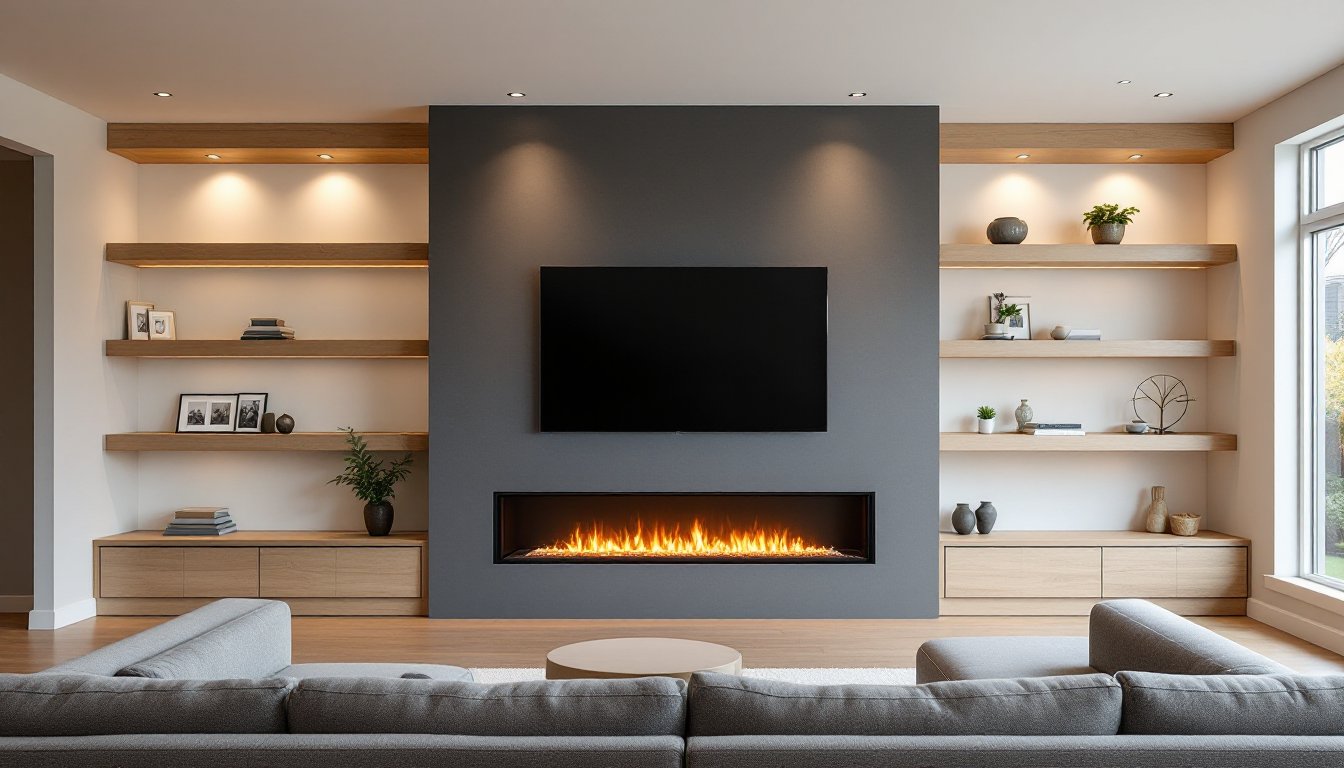
Floating shelves remain a top choice for bedrooms because they’re clean, don’t eat floor space, and look deceptively simple. A proper floating shelf uses a steel or aluminum bracket system installed into wall studs, with the shelf sitting on top so brackets are hidden from view. This isn’t a hack you can fake with drywall anchors alone, the weight capacity depends entirely on stud placement and bracket quality.
For a typical bedroom, plan shelves 12 to 24 inches deep and 36 to 48 inches wide. Standard nominal 1-inch thick wood (actual thickness around ¾ inch) works well for display and light storage: anything heavier or longer requires thicker material or closer bracket spacing. Install brackets 16 inches on-center if the wall studs are that far apart, this is standard framing spacing. If you’re missing studs, you’ll need heavy-duty toggle bolts or an alternative installation method: neither is as reliable as hitting wood.
Before you start, locate studs with an inexpensive stud finder (as low as $15–20), measure twice, and use a level. Wall preparation matters: patch holes, sand, and prime if your walls aren’t smooth. Many DIYers skip this and regret it. Floating shelves show every dust speck and imperfection behind them, so clean walls make a huge visual difference. Installation itself takes an afternoon with basic power tools, a drill, level, and a stud-finding measurement system.
Corner Shelves to Utilize Unused Wall Space
Corner spaces are dead zones in most bedrooms, but they’re goldmines for storage if you approach them strategically. A corner shelf can be as simple as a single L-shaped unit that wraps the corner or a pair of floating shelves arranged on adjacent walls. The challenge is accounting for the dead space where the two walls meet, you’ll lose depth as you move further into the corner.
L-shaped corner shelves sit on two brackets mounted to studs on each wall, with the shelf bent or joined at a 90-degree angle. Alternatively, you can install two separate shelves on perpendicular walls a few inches from the corner on each side, creating a visual triangle. The second approach gives you more usable shelf space and is easier to DIY if you’re working with standard rectangular shelves.
Corn shelves work especially well above a nightstand, in a reading nook, or along a wall beside the bed. They’re also excellent for displaying decor without taking up surface area. Load weight evenly: if you’re storing books or heavier items, place them toward the wall studs where the brackets anchor, not toward the outer edge where support is lighter. Corner shelves often feel visually tucked away, so they’re perfect for a more intimate, less gallery-like look than wall-spanning floating shelves.
Open Shelving for Display and Organization
Open shelves (whether floating, corner, or wall-mounted brackets with wood shelves) expose your storage, which means organization and curation matter more than they do behind closed doors. Open shelving works best in bedrooms when the goal is a mix of function and display, think books, plants, framed photos, and decorative objects alongside practical storage bins.
One structural note: open shelves in a bedroom should ideally be 10 to 18 inches deep. Shallower shelves keep the room feeling less cluttered visually: deeper shelves collect dust and look overwhelming. Paint or stain the shelf material to match your bedroom palette, a light finish keeps the room airy, while darker wood grounds the space. Matte or satin finishes hide dust better than gloss.
Installation is the same as floating shelves: locate studs, install brackets rated for your load, use a level, and check your work. Open shelving in a bedroom does require more maintenance than cabinets. Dust settles regularly, so plan for weekly or biweekly cleaning. If you’re storing books, dust-free bins or baskets help, and rotating what’s on display keeps the space fresh.
Styling Tips for Open Shelves
Balance function with visuals by grouping items by color, height, or category. Books standing upright mixed with a few leaning stacks, paired with small plants or a framed print, create rhythm. Odd numbers and varied heights feel more natural than uniform arrangements. Leave some white space, don’t fill every inch. A fully loaded shelf feels chaotic: a few intentional pieces with breathing room looks curated. Vertical items (books, wall art propped against the back) break up horizontal lines. If you’re worried about the look, IKEA Hackers offers budget-friendly ideas for styling open shelves with minimal investment.
Built-In Shelves for a Custom Bedroom Fit
Built-in shelves are permanent, constructed-in-place units that feel like part of the room’s architecture. They’re more involved than floating shelves but worth it if you’re staying in the home for years or the bedroom layout calls for custom sizing.
Built-ins typically sit on a frame of 2×4 lumber (the standard wall framing material), with shelves resting on support cleats or dadoes routed into the sides. This method is rock-solid and allows for adjustable shelves if you route pocket holes instead of gluing shelves permanently. A basic three-shelf built-in reaching from floor to about 60 inches high is a realistic weekend project for someone with intermediate woodworking skills and a miter saw.
Before you start, confirm that the wall is not load-bearing and that you have clearance for electrical wiring or plumbing behind it, a stud finder with wire detection helps. You’ll also want to check local building codes: some jurisdictions require a permit for permanent wall modifications. It’s worth asking, because a surprise inspection mid-project is no fun.
Paint or stain the built-in to match trim or walls. Many homeowners stain the back panel a darker shade for depth or add peel-and-stick wallpaper for visual interest. Built-ins add resale value and a polished feel that store-bought shelves can’t quite match, but they’re not reversible, plan the placement carefully.
Storage Shelves That Balance Function and Aesthetics
Storage shelves are the practical heart of bedroom organization. These are shelves designed or positioned with the primary goal of holding stuff: off-season bedding, books, boxes, decorative storage baskets, or a folded wardrobe overflow. They don’t need to be on display: many sit above closets, along a wall behind a chair, or in an alcove.
Wall-mounted bracket-and-shelf systems come in dozens of configurations. Look for brackets rated to hold at least 25 pounds per shelf if you’re storing textiles or books, and 40+ pounds if you’re considering heavier items. Cheaper brackets often look flimsy and don’t anchor well into drywall alone: always hit studs.
For storage-focused shelves, material choice matters less than durability. Plywood is affordable, sturdy, and can be finished or hidden by baskets. MDF (medium-density fiberboard) is cheaper and smooth but sags under heavy loads and doesn’t take finish as well. Ana White provides step-by-step plans for DIY floating shelves that balance cost and strength, with customizable dimensions.
Storage bins, baskets, and baskets on shelves are game-changers. They hide visual clutter, protect items from dust, and make the shelves feel intentional rather than like a junk pile. Label bins clearly so everyone in the household knows what’s stored where. If your bedroom lacks closet space, consider a full wall of shelves with a mix of open and baskets, functional and still visually appealing with the right organization system.
Conclusion
The right shelf setup turns wasted vertical space into organized, personalized storage. Start by assessing your room’s layout, your storage needs, and your skill level. Floating shelves and corner options work for most DIYers and install in a day or two. Built-ins take more time and skill but feel custom-made. Whichever route you choose, measure carefully, locate studs, and never skip surface prep. A bedroom that feels organized and spacious is worth the effort. The Handyman’s Daughter covers beginner-friendly projects if you want extra guidance as you plan your shelving project.