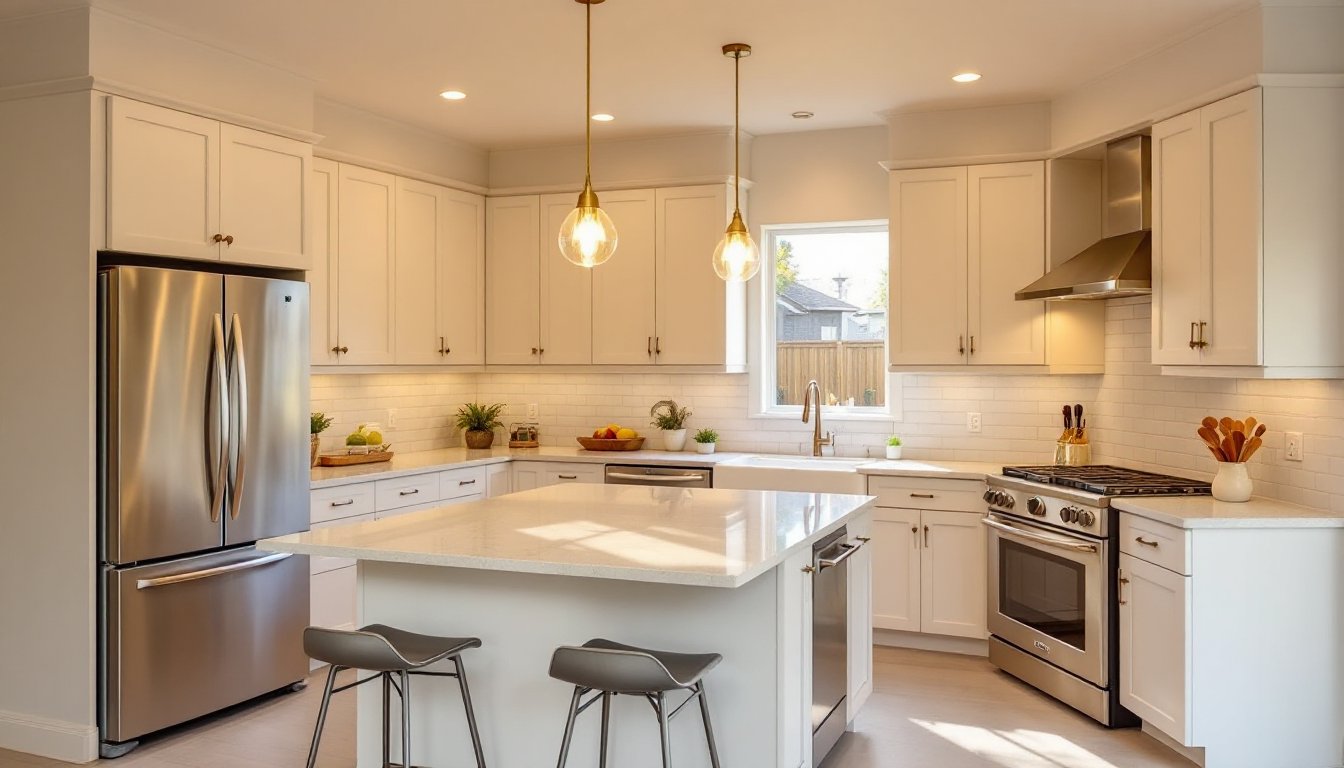
Two-tone kitchen cabinets have moved beyond trendy Instagram shots into legitimate design strategy for practical homeowners. Pairing contrasting colors on upper and lower cabinets, or mixing finishes on island and perimeter bases, creates visual depth without a full renovation price tag. Whether you’re refreshing an outdated kitchen or planning a ground-up remodel, two-tone cabinets solve real problems: they break up bulky cabinetry, highlight architectural features, and let you experiment with bold color in a contained way. This guide walks through proven color pairings, layout approaches, and budget-conscious tactics so you can execute this look confidently.
Table of Contents
ToggleKey Takeaways
- Two-tone kitchen cabinets create visual depth and spaciousness by splitting contrasting colors between upper and lower runs, making kitchens feel taller without a full renovation price tag.
- Classic dark-and-light pairings like white uppers with espresso or navy lowers remain the most versatile choice, while trendy bold mixes like forest green lowers with white uppers deliver elevated, modern appeal for 2026.
- Two-tone cabinet layouts work best when planned around your kitchen’s focal points—use contrasting colors on islands to draw focus, or split colors at countertop height to ground the eye and define your work zone.
- Painting existing cabinets is the most budget-friendly approach to achieving two-tone kitchen cabinets, costing $1,500–$4,000 professionally or $300–$800 in DIY materials, with proper prep and primer being essential for quality results.
- Hardware swaps and finish choices (satin versus matte, brushed brass versus polished chrome) amplify the two-tone effect at minimal cost while addressing practical durability needs on lower cabinets where fingerprints cluster.
Why Two-Tone Cabinets Are the Go-To Trend for Modern Kitchens
Two-tone cabinets aren’t just aesthetically flexible, they serve functional design purposes that single-color schemes don’t. Splitting colors between upper and lower runs creates sightlines that make kitchens feel taller and more spacious. Dark lower cabinets anchor the room and hide spills and wear, while light uppers visually float and keep the space from feeling cave-like. This contrast also lets you highlight your best features: a kitchen island becomes a focal point with a contrasting color, or you can draw attention upward to open shelving and backsplash.
From a practical standpoint, two-tone schemes are forgiving. If you’re hesitant about committing to bold color, this approach lets you experiment without painting every cabinet the same shade. Many homeowners also find that splitting colors makes a kitchen feel intentional rather than dated, especially compared to the builder-beige kitchens that dominated the 2010s. Also, a Kitchen Remodel: Transform Your Space with Style and Functionality Today opens the door to integrating two-tone cabinets as part of a broader refresh, making the investment feel more cohesive. The trend adapts well to both modern minimalist and traditional spaces, which is why you’ll see it across design publications and renovation shows.
Popular Color Combinations That Work Best
Classic Dark and Light Pairings
White uppers paired with dark espresso, charcoal, or navy lowers remain the safest, most versatile choice. This combination works in transitional, farmhouse, and modern kitchens. White cabinetry reflects light and opens the room: dark bases provide grounding and disguise grime on handles and edges. Soft white (not stark bright white) paired with greige or warm gray lowers offers a more forgiving, contemporary take on this pairing.
Cream or ivory uppers with deep wood-tone lowers (like cherry or walnut finishes) skew traditional but remain timelessly appealing. This works especially well in kitchens with warm-toned countertops and backsplashes. If you lean toward neutral design, this pairing feels sophisticated without demanding bold color choices.
Trendy Bold and Neutral Mixes
Pale green or soft blue uppers with white or cream lowers bring personality while staying approachable. These colors feel fresh and work across modern, cottage, and farmhouse aesthetics. The key is choosing a muted version of the bold color, saturated jewel tones can overwhelm if they cover most of your cabinet space.
Dark forest green lowers with white uppers is becoming increasingly popular in 2026 design. This pairing feels elevated and works in both modern and traditional kitchens. Navy and cream variations are equally strong. If you prefer a bolder statement, pair matte black lower cabinets with soft white or pale pink uppers for a dramatic, modern look.
For a warmer approach, warm gray lowers with cream or light wood uppers creates a cohesive, inviting feel. Design publications like Houzz showcase real before-and-after examples of two-tone cabinet schemes that can guide your color selection. Walnut or natural wood uppers paired with white or pale gray lowers introduces warmth without committing fully to a wood-heavy kitchen. This hybrid approach appeals to homeowners who want wood’s character without the maintenance concerns of all-wood cabinetry.
Design Layouts: Upper and Lower Cabinet Options
The most common two-tone approach splits cabinets at countertop height: light uppers, dark lowers (or vice versa). This creates a clear horizontal line that grounds the eye and defines the lower work zone. If your ceiling is 9 feet or standard height, this layout feels balanced and doesn’t require adjustment.
Island-only contrast offers a subtler approach: keep perimeter cabinets one color and paint or refinish the island in a contrasting shade. This draws focus to your island without overwhelming the kitchen. It’s ideal if you’re testing color commitment or working with an existing cabinet layout that doesn’t support full two-tone conversion.
Vertical color blocking, alternating cabinet sections top to bottom, is modern and design-forward but requires careful planning to avoid a chaotic feel. This works best in larger kitchens or open-concept spaces where the eye has room to process the visual rhythm. Pair this approach with a neutral backsplash and countertop to avoid competing patterns.
Two-tone finishes on the same color (matte and glossy versions of the same shade, or stained vs. painted wood) offer a subtle, designer-level approach. This requires less risk if bold colors feel too adventurous. A cabinet Hardware Upgrade: Transform Your Home with Stunning Style and Functionality can further emphasize the two-tone effect by choosing hardware finishes that complement both colors.
Consider your kitchen’s workflow when choosing layout. If your stove and sink are on the same wall, contrasting that wall differently from the rest draws attention to your work zone. Open shelving on one wall with closed cabinets elsewhere can also become a color-split opportunity. Designer-oriented platforms like HGTV feature renovation projects showcasing layout variations worth reviewing for inspiration.
Budget-Friendly Tips for Achieving the Two-Tone Look
Full cabinet replacement isn’t necessary. Painting existing cabinets is the most budget-friendly approach and yields dramatic results if you’re willing to invest in proper prep and primer. Plan on $1,500–$4,000 for professional painting of a standard kitchen’s cabinet set, or $300–$800 in materials if you DIY (including primer, paint, sandpaper, and hardware removal). Cabinet prep, cleaning, light sanding, and priming, takes longer than actual painting but determines the finish quality.
For a polished two-tone paint job: remove all hardware and doors, lay them flat for painting (easier than painting in place), use a quality bonding primer rated for cabinets, apply two coats of cabinet-grade paint in your chosen colors, and reinstall hardware. Satin or semi-gloss finishes hide dust better than matte on lower cabinets where fingerprints cluster. Plan a week for the project including dry time between coats.
Refacing upper cabinets while replacing lower ones splits the cost difference. New cabinet box plus door replacement for lowers ($2,500–$5,000) paired with painted or re-veneered uppers ($1,000–$2,500) keeps costs moderate while delivering a custom look. This approach also works if you’re happy with your cabinet layout but want a cosmetic refresh.
Hardware swaps create visual separation without painting. Installing sleek bar pulls on one cabinet run and cup pulls on another, or mixing finishes (brushed brass lowers, polished chrome uppers), amplifies the two-tone effect at minimal cost. Budget $200–$500 for quality hardware and installation labor.
Stained versus painted finishes affect budget. Staining existing wood cabinets costs less than full replacement or painting if the wood quality supports it, but requires the wood to be in good condition. Paint covers imperfections better and offers more color options: it’s the safer choice for budget builds. Always source paint samples and test on a small cabinet section or door before committing, finishes look different in your actual lighting.
Conclusion
Two-tone kitchen cabinets deliver big visual impact with manageable scope and cost. Whether you choose classic dark-and-light contrast or experiment with soft color pairings, the key is planning your color split around your kitchen’s natural focal points and workflow. Invest time in surface prep if painting, choose finishes that suit your lifestyle (durability on lower cabinets, aesthetics on uppers), and don’t skip hardware, it amplifies the two-tone effect and requires minimal investment. Start with a single approach (painted lower cabinets, natural wood uppers) and adjust based on your comfort level before committing to full-kitchen changes.