The world’s in a bit of a pickle when it comes to housing. With skyrocketing prices and shrinking availability, the international housing crisis has turned many into modern-day nomads, searching for a roof over their heads like it’s a game of hide-and-seek. It’s as if housing has become the ultimate luxury item, reserved only for those who can afford to pay an arm and a leg—or maybe even a kidney.
Overview Of The International Housing Crisis
The international housing crisis manifests through skyrocketing prices and diminished availability of affordable homes. Many individuals and families struggle to secure housing within their budgets. Urban areas experience heightened pressure, as more people migrate to cities in search of jobs and opportunities, contributing to an exacerbated supply-demand imbalance.
Housing affordability varies widely across different countries and regions. In major cities like New York, London, and Sydney, median house prices often exceed ten times the average income. Some nations experience rapid increases in rent, with urban rents climbing by 30% or more over the past five years.
Governments face significant challenges in addressing these escalating housing issues. Policy solutions require a multifaceted approach that includes increasing housing supply through construction and incentivizing affordable projects. Many local governments face constraints in land use regulations and zoning laws, complicating the development of new housing units.
Furthermore, the impact of the COVID-19 pandemic on housing markets cannot be overlooked. Many households faced financial hardships during lockdowns, resulting in a rise in evictions and foreclosures. Some areas experienced a brief lull in housing activity, followed by a quick rebound as demand surged.
Data from the United Nations shows that over 1.6 billion people globally live in inadequate housing or are experiencing severe housing deprivation. Marginalized populations often suffer the most, as they lack access to resources necessary for finding stable housing. While various global initiatives aim to improve this situation, immediate and comprehensive action is crucial to provide sustainable solutions.
Causes Of The International Housing Crisis
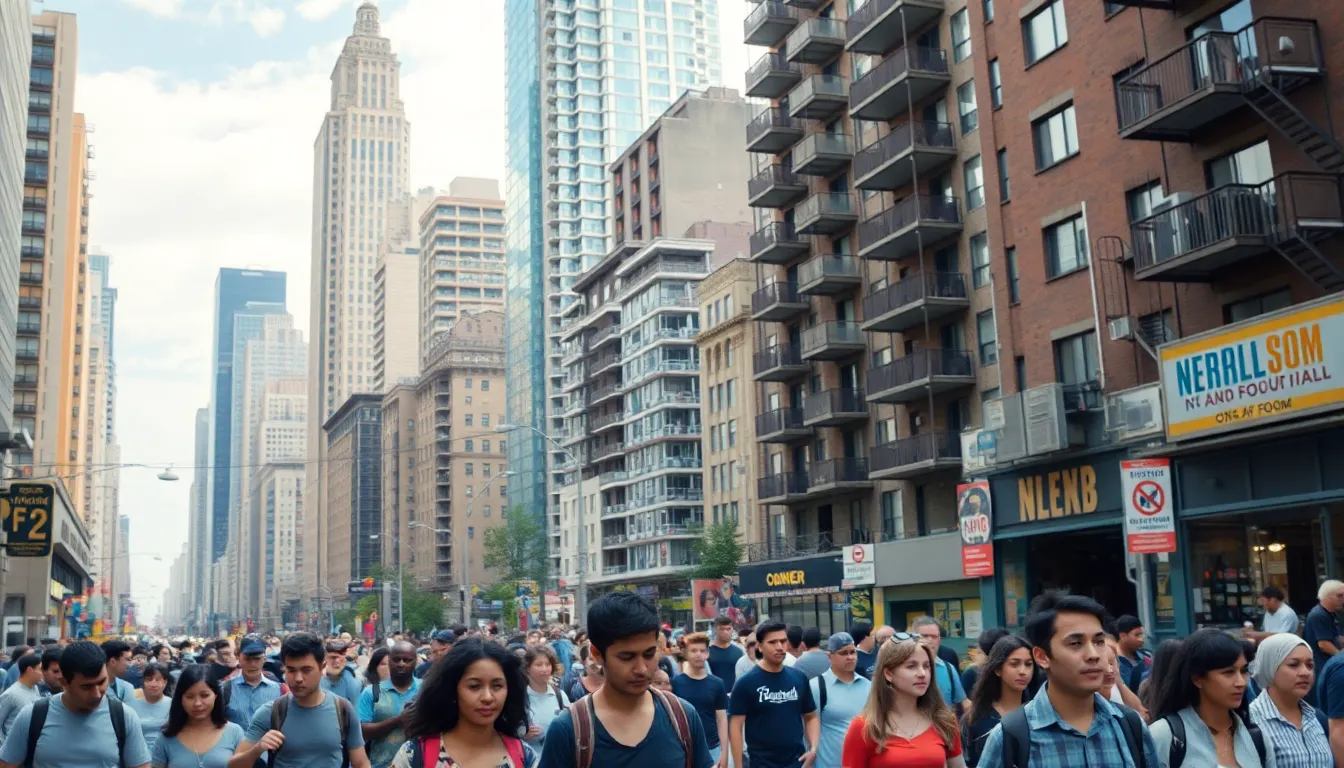
The international housing crisis stems from various interconnected causes that exacerbate the situation.
Economic Factors
Economic instability plays a significant role in the housing crisis. Inflation pressures increase construction costs and housing prices, reducing affordability. In urban areas, median house prices often exceed ten times the average income. Wage stagnation continues to prevent many individuals from accessing homeownership. As migration to cities continues, demand outpaces supply, pushing prices even higher. Additionally, the rise in interest rates limits borrowing capacity for potential buyers, further straining the market for affordable housing.
Social Factors
Social dynamics significantly impact the housing crisis. Rapid urbanization has led to increased demand for affordable homes in major cities. As populations grow, marginalized communities often struggle to find stable housing. The lack of infrastructure affects housing quality, contributing to inadequate living conditions for over 1.6 billion people globally. Increased evictions following the COVID-19 pandemic intensified housing instability. In many regions, housing policies haven’t kept pace with changing demographics and community needs, leading to further disenfranchisement.
Political Factors
Political decisions shape housing availability and affordability. Land use regulations often restrict new development, complicating efforts to increase housing supply. Zoning laws can limit the construction of affordable housing units in desirable areas, contributing to inner-city displacement. Local governments frequently lack the resources and political will to enact effective housing policies. Moreover, global initiatives aimed at addressing housing issues require coordination and commitment from international bodies. Effective leadership, transparency, and targeted policies are essential to resolve the mounting housing crisis.
Impact Of The International Housing Crisis
The international housing crisis significantly affects communities and individuals worldwide. The repercussions demand urgent attention and comprehensive strategies to mitigate their effects.
On Communities
Communities experience a strain on resources as housing becomes increasingly unaffordable. High demand prompts displacement of residents, leading to weakened social cohesion. Neighborhoods historically characterized by diversity now witness varying degrees of gentrification. Access to essential services also diminishes when families relocate to find cheaper housing. The lack of affordable options breeds overcrowding, exacerbating public health issues and impeding educational opportunities. Urban areas face an added burden of increased homelessness, stretching the capacity of local services. Data reveal that marginalized communities suffer the most, making collaboration among local governments and organizations essential to address these challenges.
On Individuals
Individuals face heightened financial stress due to soaring housing costs. Many struggle to allocate funds for basic necessities while meeting housing expenses. Job security cannot fully buffer the impact of rising rent, particularly in major cities. Evictions lead to not only housing instability but also emotional distress, affecting mental well-being. Furthermore, those in precarious situations often resort to substandard living conditions, negatively impacting their overall quality of life. Research shows that over 1.6 billion people live in inadequate housing globally, emphasizing the urgency of sustainable solutions. Individuals require support through targeted initiatives and actionable policies to navigate these difficult circumstances effectively.
Solutions To The International Housing Crisis
Addressing the international housing crisis demands immediate action through effective solutions. Two critical areas for intervention are policy changes and innovative approaches.
Policy Changes
Governments must implement policy changes that simplify land use regulations. Easing zoning laws encourages the development of affordable housing projects. Access to funding for builders could facilitate these developments, particularly in high-demand urban areas. Incentive programs for developers targeting lower-and-middle-income housing stabilize communities. Adopting inclusive housing policies ensures that marginalized populations have access to safe living conditions. Collaboration between public and private sectors fosters innovative solutions to complex housing challenges. Evidence suggests that cities with proactive housing policies experience less homelessness and greater community stability.
Innovative Approaches
Innovation in housing design and construction can directly impact affordability. Utilizing modular construction techniques reduces building costs and timeframes. Sustainable building materials not only lower costs but also promote environmental benefits. Community-driven housing initiatives empower residents to participate in the development process. Public-private partnerships offer financing and expertise for affordable housing projects. Additionally, technology plays a crucial role in streamlining the home-buying process, making information more accessible. Pilot programs focused on alternative housing solutions, such as tiny homes and cooperative housing, demonstrate promising results in addressing urgent needs.
The international housing crisis demands urgent attention and innovative solutions. As communities grapple with the consequences of soaring prices and limited availability, it’s clear that a collaborative approach is essential. Policymakers must prioritize reforms that simplify development processes while fostering partnerships across sectors.
Emphasizing community-driven initiatives can empower marginalized populations and create sustainable housing options. With over 1.6 billion people living in inadequate conditions, the stakes are high. By embracing new technologies and innovative construction methods, stakeholders can work together to build a more equitable future. The time for action is now, ensuring that everyone has access to safe and affordable housing.